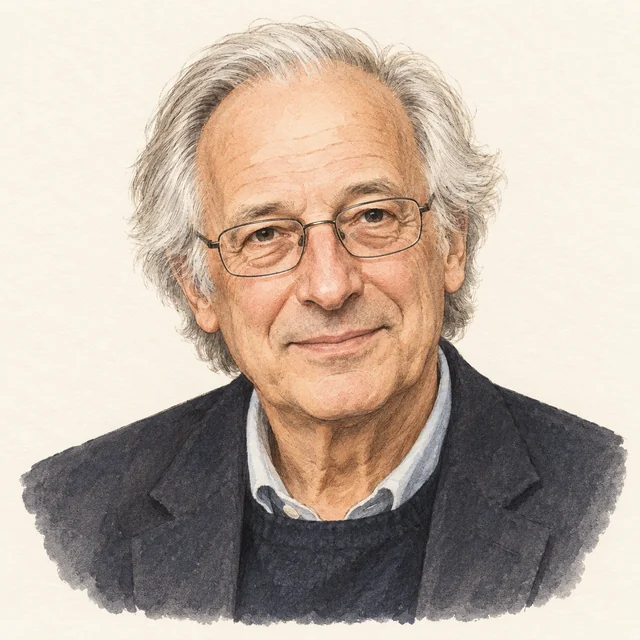
A life in context
The person behind the prize
L’Huillier is a physicist whose career links France and Sweden. She studied how atoms react to intense laser light and later became a professor at Lund University. Her sustained experimental and theoretical work helped make attosecond science possible long before it became a Nobel-recognised field.
The contribution
In 1987, she observed many high harmonics when infrared laser light passed through a noble gas. These higher-frequency waves provided the ingredients that could be combined to create exceptionally short flashes.
The idea in plain language
Electrons rearrange far faster than atoms move. To measure that motion, an instrument needs an exceptionally short time window. An attosecond is one quintillionth of a second: 10⁻¹⁸ seconds.
Read the full award story ↗