A life in context
The person behind the prize
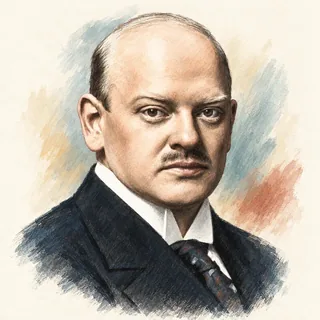
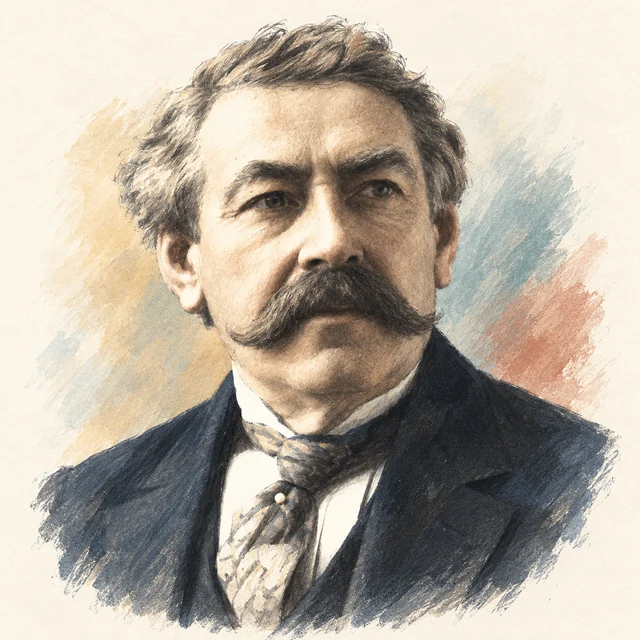
Briand was born in Nantes and trained in law before entering journalism and politics. Elected to the Chamber of Deputies in 1902, he became a minister in 1906 and first served as prime minister in 1909. His career included wartime leadership as well as later efforts at reconciliation; he was not simply an outsider to state power. As foreign minister in the mid-1920s he sought greater security for France through cooperation with Germany and other European states. He worked with Gustav Stresemann, Austen Chamberlain and other negotiators on the Locarno agreements of 1925. Briand shared the 1926 Peace Prize equally with Stresemann for this movement towards reconciliation. The agreements provided specific security and arbitration arrangements rather than a guarantee that every European frontier or future conflict was settled. His subsequent work included the 1928 Kellogg–Briand Pact and a proposal for closer European association in 1930. Those were later initiatives, not the original basis of the 1926 award. He died in 1932.
The contribution
Briand received half the Peace Prize for work towards Franco-German reconciliation and the Locarno agreements, using diplomacy to seek French security through negotiated commitments.
The idea in plain language
The First World War ended without removing the fears and disputes that divided Europe. Reparations, occupation and mistrust complicated relations between France and Germany. Briand sought French security; Stresemann wanted Germany to regain room for peaceful international action. Their interests differed, but negotiation could address some concerns on both sides.
Read the full award story ↗