A life in context
The person behind the prize
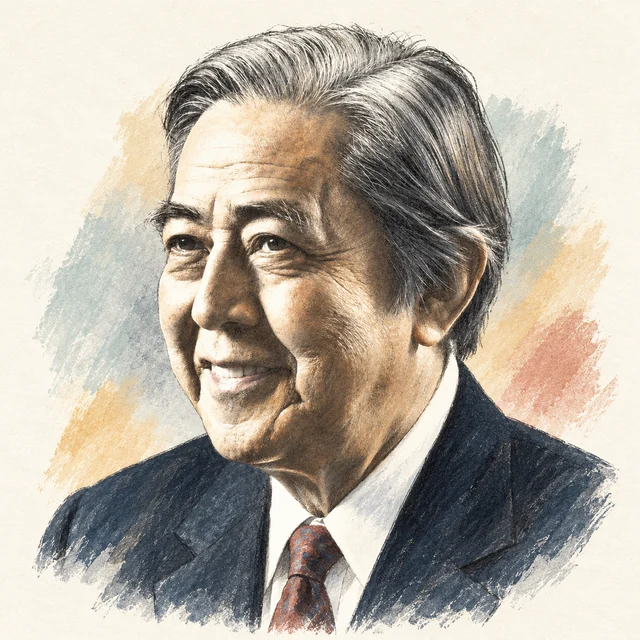
Satō studied law at Tokyo Imperial University and joined the Ministry of Railways in 1924. After wartime and postwar administrative posts, he entered national politics and was elected to the House of Representatives in 1949. He held several cabinet offices before serving as prime minister from 1964 to 1972. In 1967 he stated three principles against possessing, producing or permitting the introduction of nuclear weapons. Japan signed the Nuclear Non-Proliferation Treaty in 1970 under his government; ratification had not yet occurred at the time of the award. Negotiations with the United States led to Okinawa’s return to Japanese administration in 1972 while American military bases remained. The Nobel Committee recognised regional cooperation and non-proliferation efforts. The choice was contested, including criticism of his close ties with US policy; the award is not a claim that every security controversy was resolved.
The contribution
Satō was recognised for diplomacy intended to stabilise the Pacific region and for Japan’s signature of the Nuclear Non-Proliferation Treaty. He received half the Peace Prize.
The idea in plain language
MacBride argued that protecting individuals should be an obligation reaching beyond a state’s internal affairs. Work on the European Convention on Human Rights, Amnesty International and the International Commission of Jurists linked legal principles with cases of persecution and abuse. International organisations and public advocacy could make violations harder to ignore, even though a written agreement alone could not guarantee enforcement. His earlier involvement in armed Irish politics was part of his history, not the contribution honoured by this prize.
Read the full award story ↗