A life in context
The person behind the prize
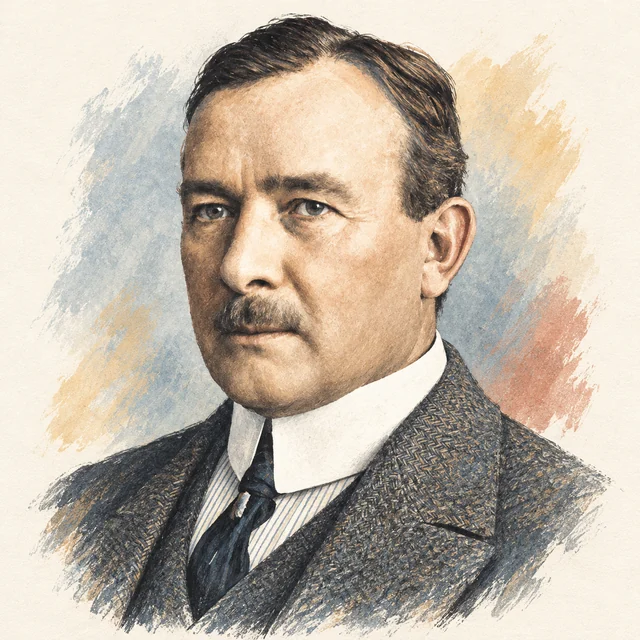
Karlfeldt grew up in Dalarna and studied intermittently at Uppsala while earning his living through teaching and library work. The Swedish Academy records a degree in 1892 and a licentiate in 1898. His first poetry collection appeared in 1895. Fridolins visor and Fridolins lustgård developed the voice of Fridolin, a cultivated figure rooted in rural life. Folk song, biblical echoes, seasonal landscapes, humor and elaborate verbal craft combine in poems that look beyond simple nostalgia. Later collections included Flora och Bellona and Hösthorn. He joined the Swedish Academy in 1904 and its Nobel Committee in 1907. Appointed permanent secretary in November 1912, he took office in January 1913 and remained until his death on 8 April 1931. The Literature Prize was awarded to him posthumously later that year. His institutional position is part of the award’s history, not a reason to hide how the selection was made.
The contribution
Karlfeldt received the full Literature Prize posthumously for his poetry. Its distinctive achievement joins the language and traditions of Dalarna with a highly crafted, inventive poetic voice.
The idea in plain language
Karlfeldt’s poems draw on rural work, seasonal change, folk song and religious language. Their local setting is a resource for verbal invention, not a claim that one region expresses an unchanging national essence. Humor, sensual life, mortality and historical disturbance complicate the landscape. Sound, rhythm and unusual combinations of words matter alongside the subjects described.
Read the full award story ↗

