A life in context
The person behind the prize
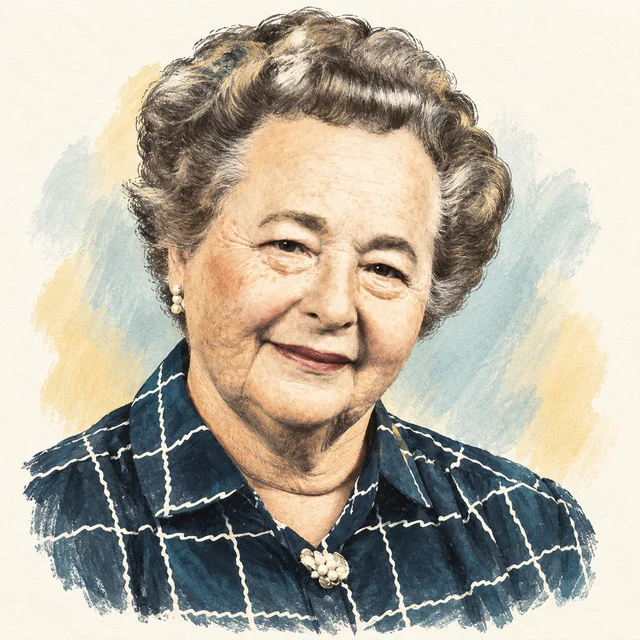
Elion grew up in an immigrant family; her grandfather’s death from cancer helped shape her interest in chemistry. Hunter College and a master’s degree at New York University in 1941 were followed by difficult searches for laboratory work, often limited by discrimination. She joined Hitchings’s Wellcome group in 1944. Their biochemical experiments developed drugs across several diseases. She chose research when part-time doctoral study could no longer continue, and never completed an earned doctorate. Later honorary degrees recognised her work. She led experimental therapy research from 1967 to 1983 and continued as a consultant and educator.
The contribution
Elion investigated purine chemistry and differences in metabolism to develop agents such as 6-mercaptopurine, azathioprine and allopurinol with Hitchings and other colleagues. She also helped explain acyclovir’s selective activity through activation in virus-infected cells. Selectivity must be tested and does not mean absence of toxicity. Her contribution included years of experiment and collaboration with clinical researchers. She received one third of the prize.
The idea in plain language
Black asked whether a drug could block a particular biological response. With colleagues he developed beta-receptor blockers, including propranolol, and later histamine H2-receptor blockers, including cimetidine. In their respective settings these reduced cardiac stimulation or gastric acid secretion. Different receptors and tissues were involved; these were not one universal blocking mechanism.
Read the full award story ↗