A life in context
The person behind the prize
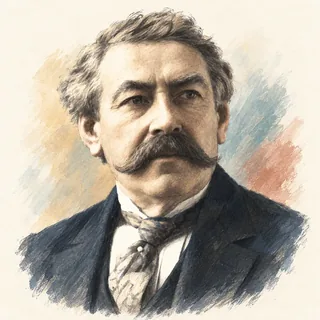
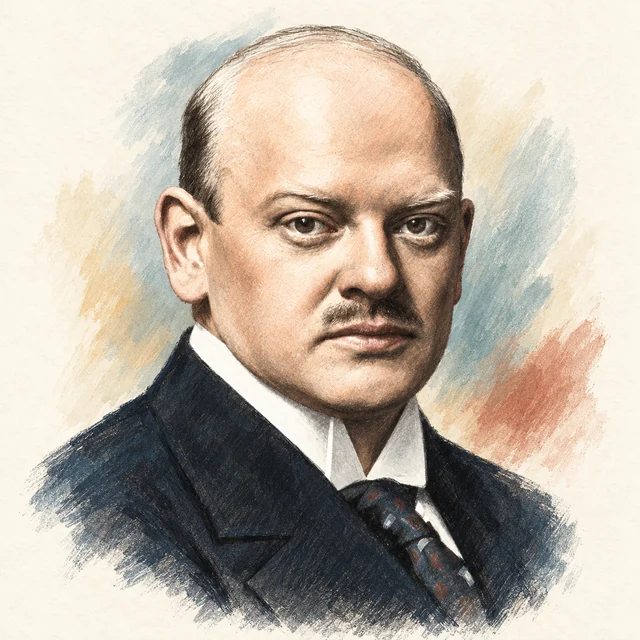
Stresemann grew up in Berlin and studied political economy, completing a doctorate on the Berlin beer industry in 1900. He worked with industrial organisations and entered the Reichstag in 1907. During the First World War he supported German expansionist policies; his later diplomacy therefore represented a political development rather than an unchanged lifelong pacifism. He briefly became chancellor in 1923 and served as foreign minister from 1923 until his death in 1929. Seeking to reduce Germany’s isolation, he pursued negotiated cooperation with former enemies while continuing to advance German interests. He helped initiate the Locarno process in 1925 and represented Germany as it entered the League of Nations in 1926. He shared that year’s Peace Prize equally with Aristide Briand. Their cooperation depended on other governments, negotiators and institutions as well as their own choices. Later diplomacy included the Kellogg–Briand Pact and negotiations over reparations. Stresemann died in Berlin in October 1929, before the eventual collapse of the interwar settlement.
The contribution
Stresemann received half the Peace Prize for the Locarno process and rapprochement with France, seeking Germany’s international reintegration through negotiation and participation in the League of Nations.
The idea in plain language
The First World War ended without removing the fears and disputes that divided Europe. Reparations, occupation and mistrust complicated relations between France and Germany. Briand sought French security; Stresemann wanted Germany to regain room for peaceful international action. Their interests differed, but negotiation could address some concerns on both sides.
Read the full award story ↗