A life in context
The person behind the prize
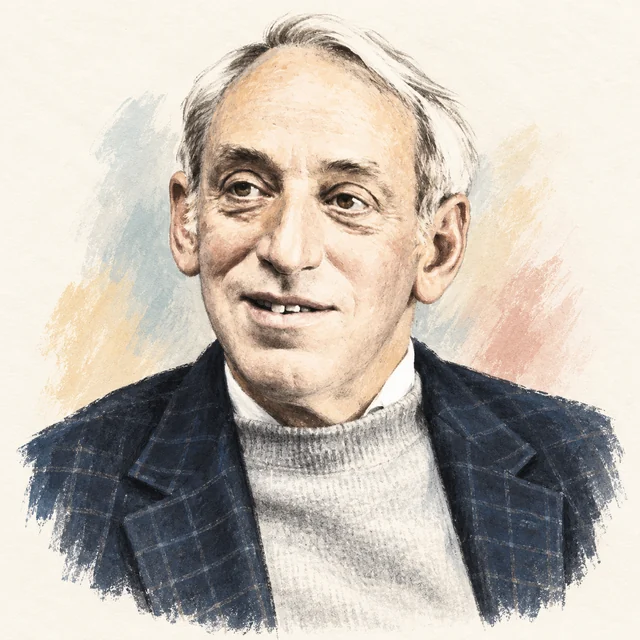
Tobin grew up during the Depression, learning about unemployment from his mother’s social-work experience and public affairs from his journalist father. A scholarship took him to Harvard in 1935; reading Keynes helped shape his interest in economic stabilization. Wartime government work and service aboard the destroyer USS Kearny interrupted his studies. He returned to Harvard and completed his doctorate in 1947 on consumption. At Yale from 1950, and as a director of the Cowles Foundation, he developed monetary and macroeconomic research with colleagues including William Brainard and Arthur Okun. He served on President Kennedy’s Council of Economic Advisers in 1961–1962, then returned to academic work and teaching. His award concerned financial markets and their wider economic effects.
The contribution
Tobin connected portfolio choices, asset markets and the financing of real expenditure. His analysis examined how financial changes influence consumption, investment and economic activity through several channels. He received the full Sveriges Riksbank memorial prize; the award was broader than his proposed transaction tax and did not offer a guaranteed investment strategy.
The idea in plain language
A household or firm does not hold only money. It chooses among assets and liabilities with different expected returns, risks and liquidity. Tobin brought portfolio choice into monetary analysis, examining how changes in financial conditions could shift those choices. Assets cannot always be treated as perfect substitutes, so a single interest rate or money total may hide important channels.
Read the full award story ↗