The organisation
A collective voice
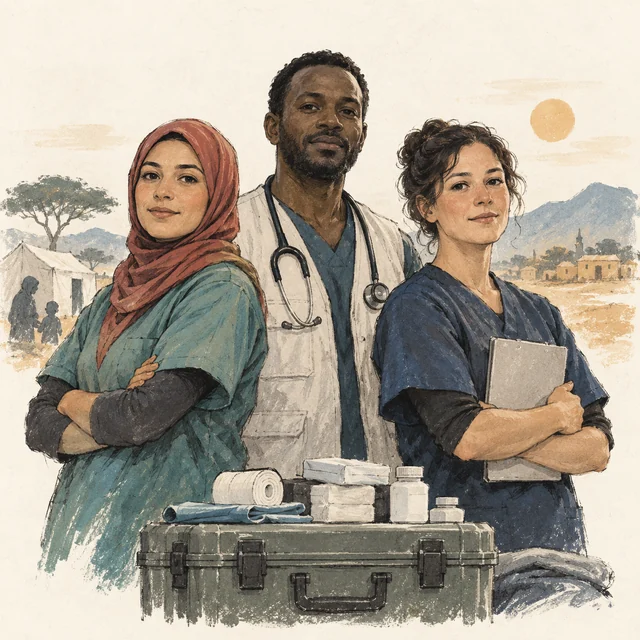
Médecins Sans Frontières, also known as Doctors Without Borders, was founded in France in 1971. It developed an international network of medical teams responding to wars, epidemics and disasters. Its identity combines care based on medical need with independence from political agendas and a willingness to speak publicly about abuses encountered in the field. The 1999 laureate was the organisation, encompassing the work of many staff and volunteers, rather than a single doctor.
The contribution
The Nobel Committee recognized the organisation’s pioneering humanitarian work across continents. MSF provided rapid professional assistance across national boundaries and political divisions while drawing public attention to humanitarian catastrophes and abuses. The contribution joins practical medical help with respect for dignity and the public responsibility to bear witness; medical teams cannot themselves guarantee political reconciliation.
The idea in plain language
War, disaster and political exclusion can keep people from receiving essential care. The Nobel Committee emphasized that professional assistance should be guided by victims’ needs rather than nationality or political sympathy. MSF organized teams able to respond rapidly and maintain independence in difficult settings across continents.
Read the full award story ↗

