A life in context
The person behind the prize
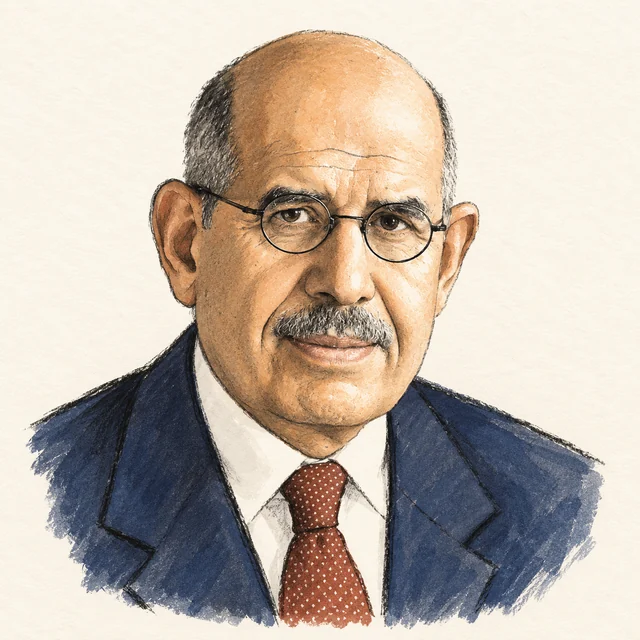
ElBaradei studied law in Egypt and received a doctorate in international law from New York University in 1974. His career included diplomacy and work within the United Nations system. He became Director General of the IAEA in December 1997 and held that position when he received the 2005 prize. His contribution combined institutional leadership with the application of international rules.
The contribution
ElBaradei advocated stronger safeguards and broad international cooperation to prevent nuclear proliferation. The award recognised his leadership alongside the agency’s collective technical work. Verification requires evidence and legal authority, while diplomatic decisions also involve governments and other international bodies. His role was not that of a scientist inventing a reactor or a single official able to guarantee global disarmament.
The idea in plain language
Nuclear technology has peaceful applications, but some materials and capabilities can also raise proliferation concerns. The IAEA works through international agreements to verify that nuclear material is used consistently with states’ commitments. Its safeguards bring together declarations, records, measurements and inspections rather than relying only on assurances.
Read the full award story ↗