A life in context
The person behind the prize
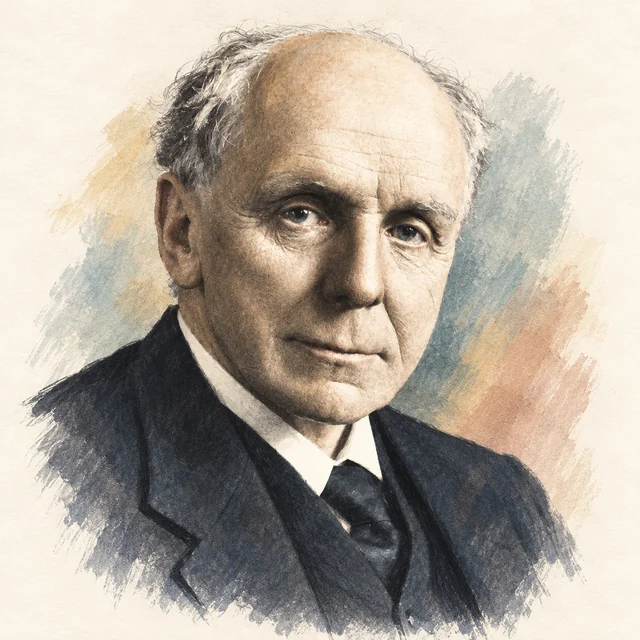
Cecil trained in law at Oxford, entered the bar in 1887 and Parliament in 1906. A Conservative from a prominent political family, he served as minister of blockade during the First World War. His wartime experience helped turn his attention toward institutions for preventing another war. He contributed to the League Covenant at the 1919 peace conference and became a leading advocate of the League. He presided over the League of Nations Union from 1923 to 1945, resigned from government in 1927 and pursued public campaigning. The unofficial Peace Ballot ran in 1934–1935, and he announced its results at the Royal Albert Hall on 27 June 1935. In 1936 he and Pierre Cot helped establish the International Peace Campaign. His whole 1937 Peace Prize recognised support for the League, disarmament and peace. Collective security included sanctions against aggression; his position was not an absolute rejection of every use of force. After the League’s failure, he supported the United Nations.
The contribution
Cecil received the whole Peace Prize for sustained support of the League of Nations, disarmament and peace. He combined institutional work with public mobilisation, without having secured a permanent peace.
The idea in plain language
Ending a war did not by itself create institutions capable of preventing the next one. Cecil helped shape the League Covenant in 1919 and argued for sustained cooperation among states. Negotiation, public discussion and a pause before resorting to arms were central to his approach; collective economic and, if necessary, military action could restrain aggression.
Read the full award story ↗

