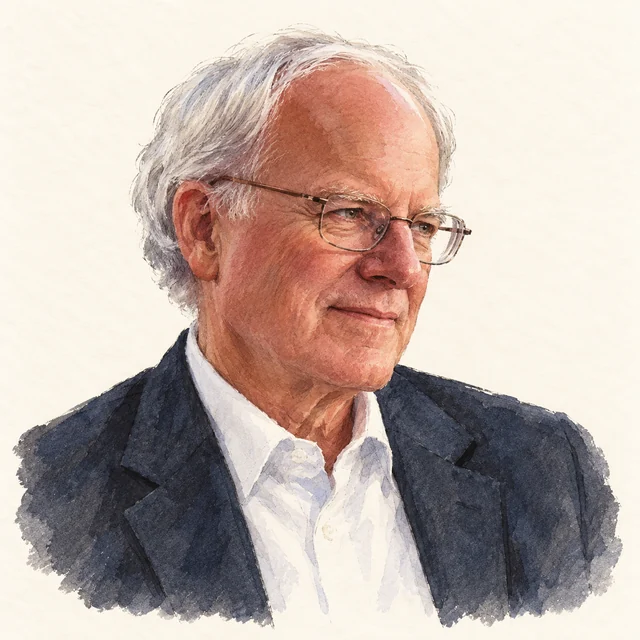
A life in context
The person behind the prize
Hall earned his doctorate at MIT in 1967 and joined Stanford in 1978 after teaching at MIT and Berkeley. His research spans consumption, employment and economic fluctuations. He connected a household’s plans for future income with testable predictions about its spending, helping economists move beyond correlations between aggregate income and consumption.
The contribution
His 1978 analysis showed that, under a specific forward-looking consumption model, changes in consumption should reflect new information rather than predictable changes in income. This provided a benchmark for testing expectations and identifying households constrained by limited savings or borrowing.
The idea in plain language
How can governments and central banks soften recessions and inflation without relying on relationships that break down when policy changes? The laureates helped build macroeconomic models from the decisions of individual households and firms, including their expectations of the future.
Read the full award story ↗