A life in context
The person behind the prize
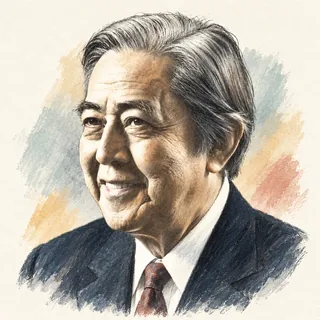
MacBride was born in Paris and became involved in the Irish independence struggle, including the IRA and periods of imprisonment. This violent political background preceded his later work through law and international organisations. He qualified as a lawyer in 1937, entered the Irish parliament in 1947 and served as foreign minister from 1948 to 1951. He helped develop the European Convention on Human Rights and worked to make protection of individuals an international obligation. A co-founder of Amnesty International, he chaired its executive from 1961 and also led the International Commission of Jurists during the 1960s. Leadership in the International Peace Bureau connected legal advocacy with wider peace work. In 1973 he became UN Commissioner for Namibia. The prize recognised his human-rights efforts, rather than endorsing every episode of his political life.
The contribution
MacBride promoted international legal protections, advocacy for persecuted individuals and institutions able to defend human rights. He received half the Peace Prize.
The idea in plain language
MacBride argued that protecting individuals should be an obligation reaching beyond a state’s internal affairs. Work on the European Convention on Human Rights, Amnesty International and the International Commission of Jurists linked legal principles with cases of persecution and abuse. International organisations and public advocacy could make violations harder to ignore, even though a written agreement alone could not guarantee enforcement. His earlier involvement in armed Irish politics was part of his history, not the contribution honoured by this prize.
Read the full award story ↗