01 · The discovery
The idea, in everyday language
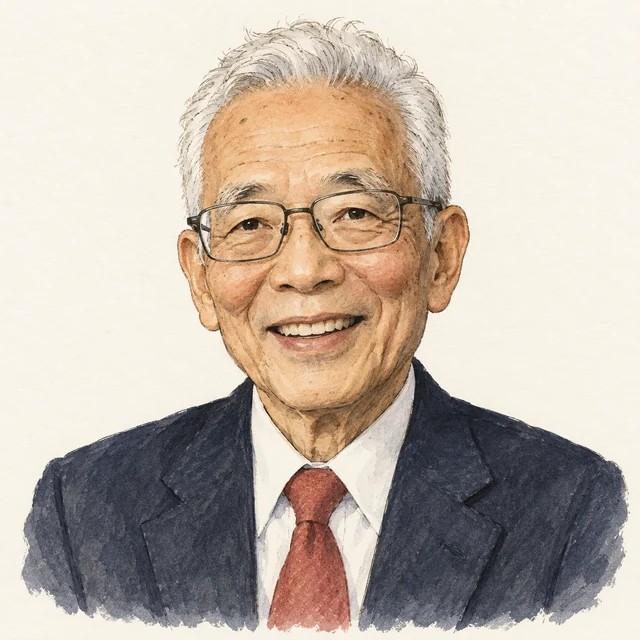
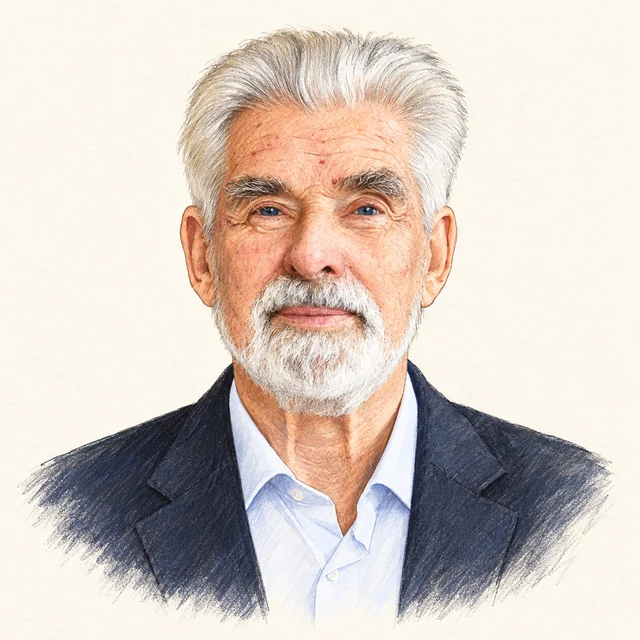
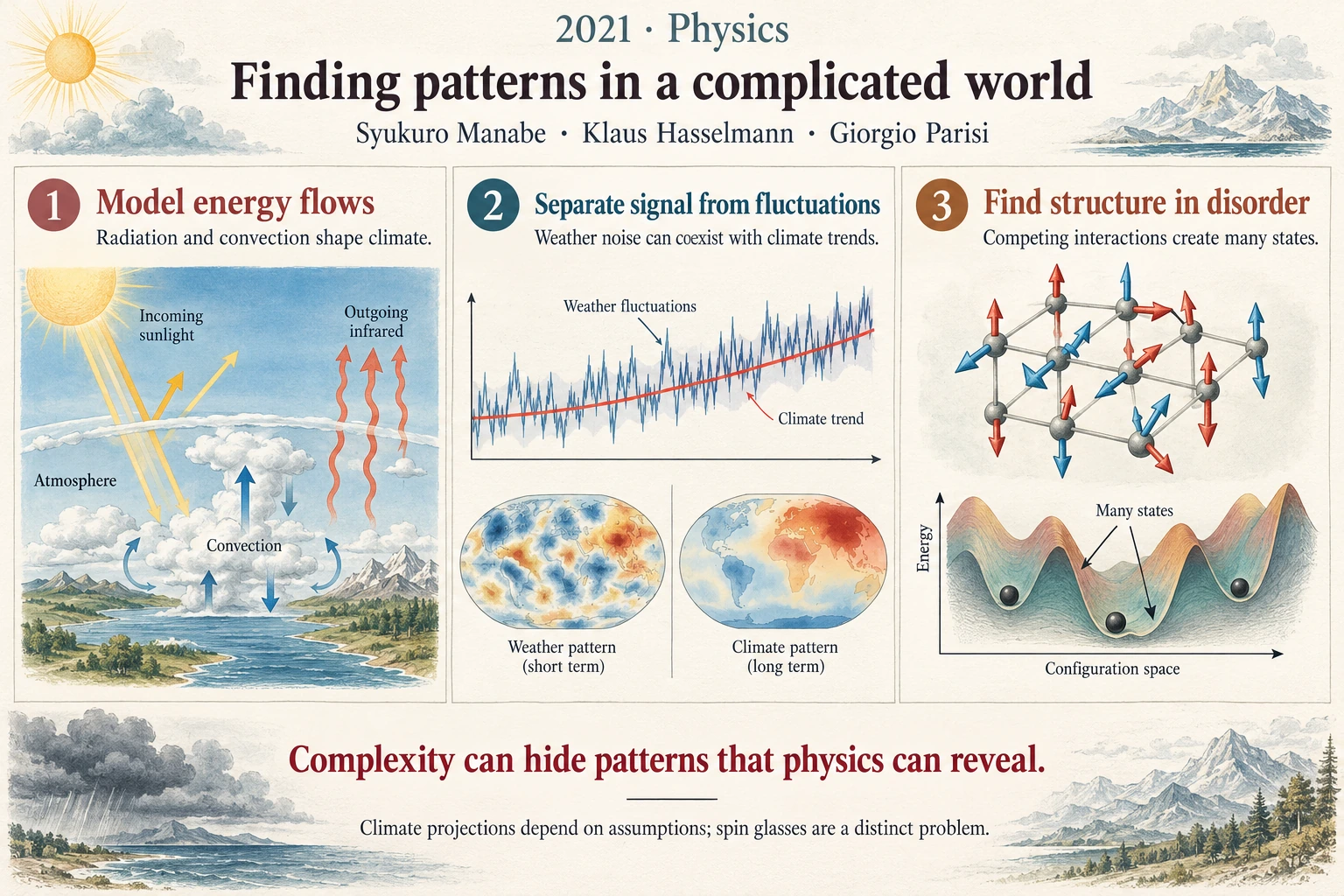
A day’s weather is hard to predict far ahead, but that does not make the climate unknowable. Manabe built models of how energy enters, moves through and leaves the atmosphere. Hasselmann connected short-lived weather fluctuations to slower climate changes and developed ways to identify the fingerprints of different causes.
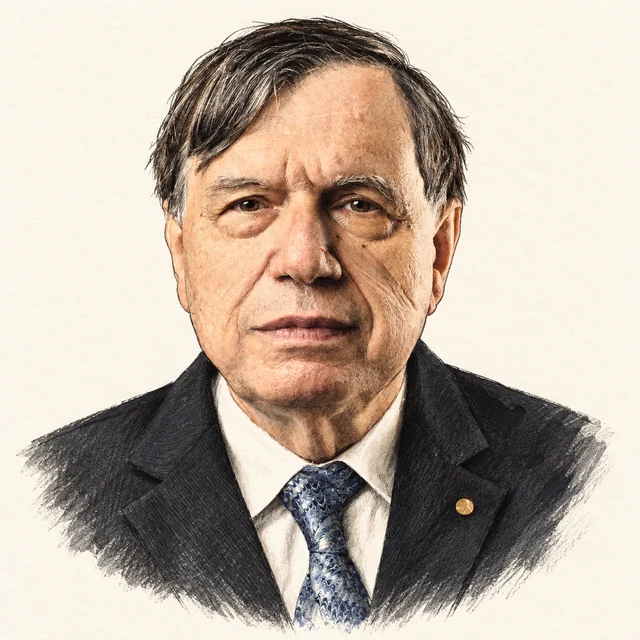
Parisi tackled another kind of complexity: a spin glass, where magnetic interactions compete so that every local preference cannot be satisfied at once. He uncovered structure among its many possible states. The shared lesson is that disorder need not erase patterns, although the laureates solved distinct problems.
Why it matters
These ideas underpin quantitative climate research and the study of complex materials. Climate attribution can compare the patterns expected from natural influences and human emissions with observations; theories of disorder help explain systems with many competing arrangements.