c.curionodeThe Nobel Archive

2025 · Economic Sciences

Why progress can keep going

Useful knowledge and creative destruction help explain sustained economic growth.

The Sveriges Riksbank Prize in Economic Sciences in Memory of Alfred Nobel.

InnovationKnowledgeGrowth
2025Economic Sciences

Visual guide

The prize, pictured

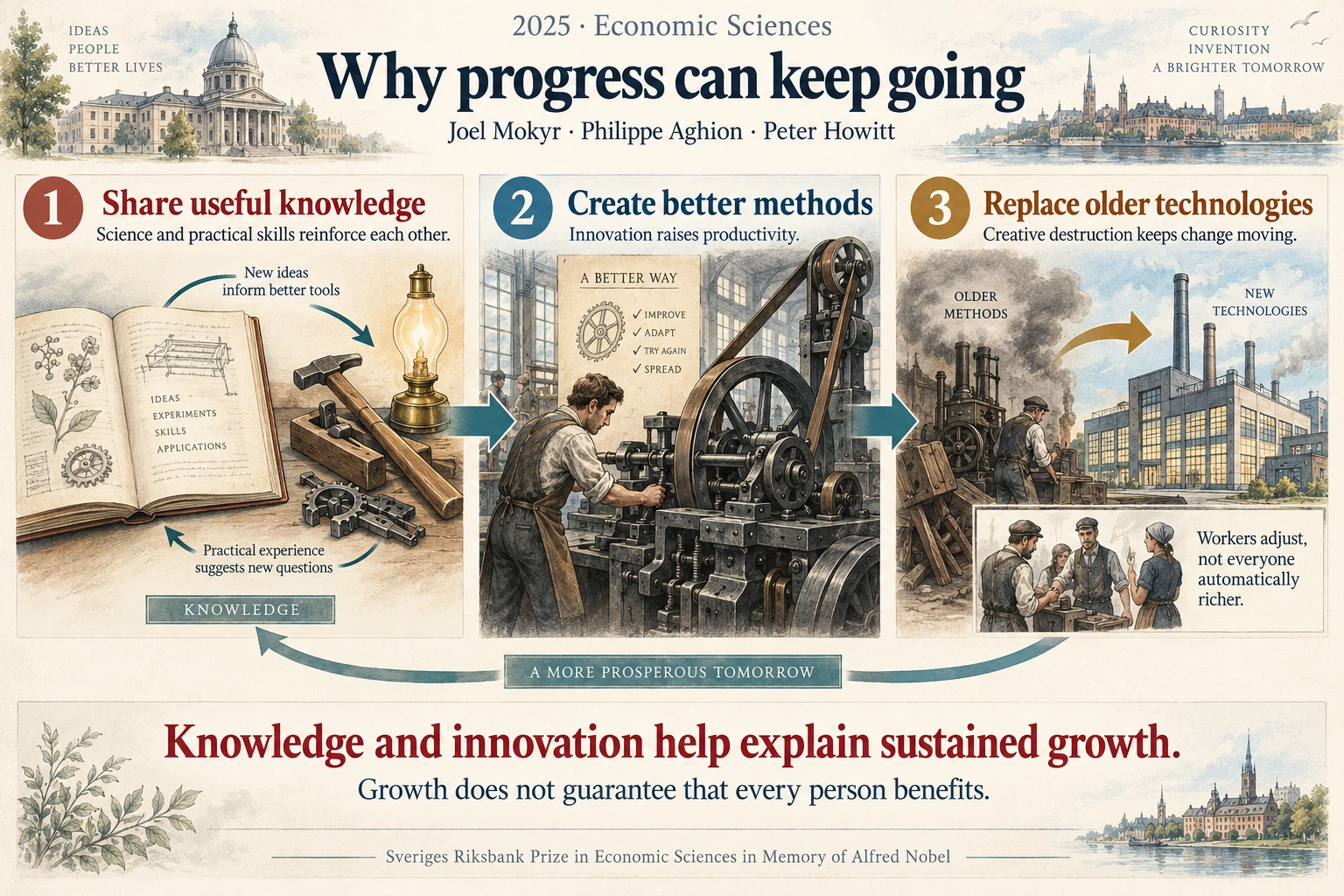
Infographic explaining Why progress can keep going
Original AI-generated infographic. A conceptual overview; the explanations and sources below provide context.
Read the poster text

Knowledge and innovation help explain sustained growth.

  1. Share useful knowledge

    Science and practical skills reinforce each other.

  2. Create better methods

    Innovation raises productivity.

  3. Replace older technologies

    Creative destruction keeps change moving.

Growth does not guarantee that every person benefits.

01 · The discovery

The idea, in everyday language

An invention can improve life once. Sustained growth requires a continuing flow of better methods and products. Mokyr investigated the historical conditions that let scientific understanding and practical know-how keep reinforcing each other.

Aghion and Howitt developed a theory of growth through creative destruction: an innovation improves productivity but can displace an older technology and its producer. The promise of a temporary advantage encourages research, while later inventions keep the process moving.

Why it matters

The work helps frame questions about research, competition and how societies support people affected by technological change.
02 · The people

Who brought the idea to life?

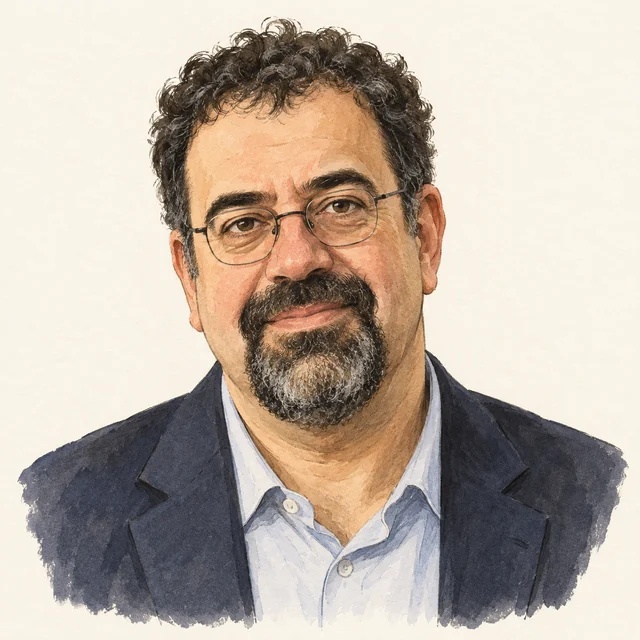
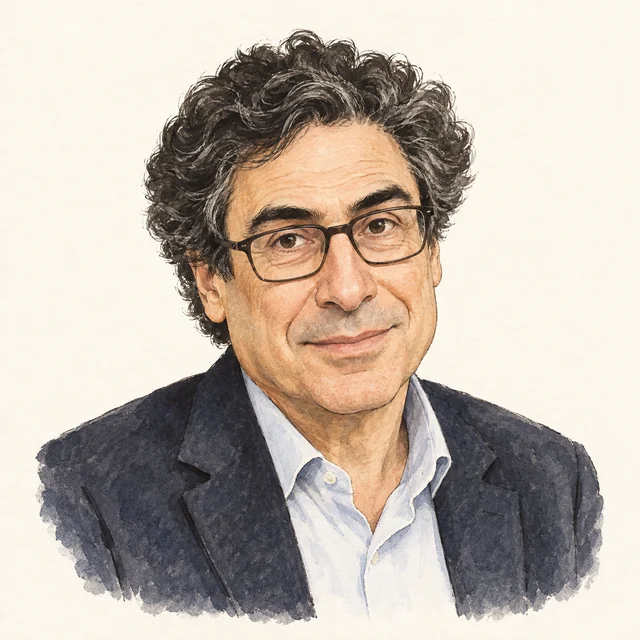
Illustrated portrait of Joel Mokyr

Joel Mokyr

Prize share · 1/2

He explained historical conditions that let scientific understanding and practical skills reinforce one another. Openness to new ideas and the circulation of useful knowledge help explain sustained technological progress.

Read the biography ↗
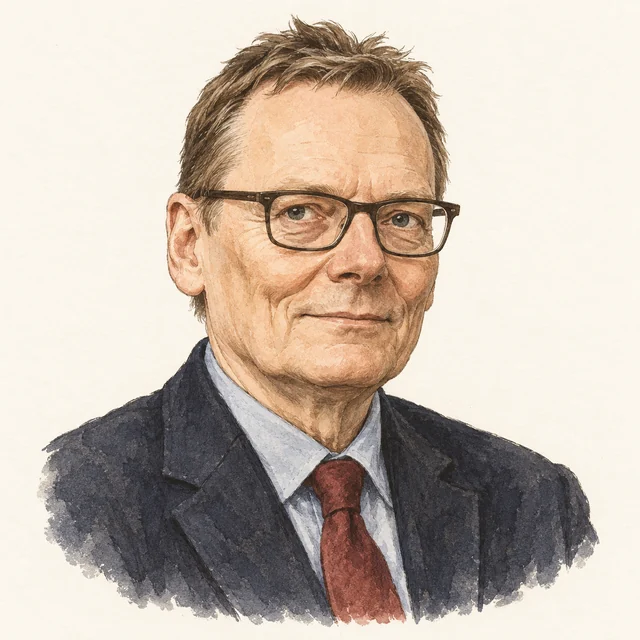
Illustrated portrait of Philippe Aghion

Philippe Aghion

Prize share · 1/4

Their 1992 model made creative destruction a mechanism of sustained growth. It connects incentives to invent with the prospect that a successful innovation will itself be displaced by a later one.

Read the biography ↗
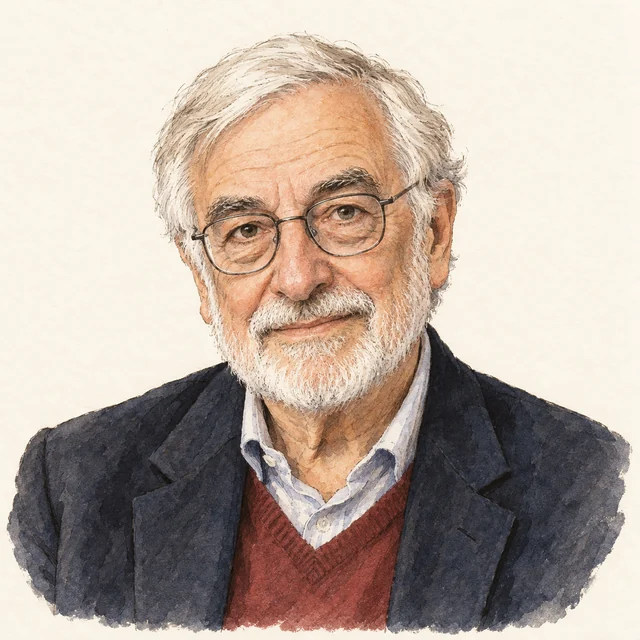
Illustrated portrait of Peter Howitt

Peter Howitt

Prize share · 1/4

The Aghion–Howitt model explains how research can raise productivity while making earlier technologies obsolete. It also shows why the private reward for innovation and its wider social value need not coincide.

Read the biography ↗

03 · Years in the making

The path here

  1. Industrial era

    Useful knowledge and practical invention increasingly reinforce one another.

  2. 1992

    Aghion and Howitt publish their creative-destruction growth model.

  3. 2025

    Mokyr receives half the prize; Aghion and Howitt share the other half.

04 · Read further

From the original sources

Original explanations by Curionode, based on the official records below. Biographical details and affiliations refer to the award year.

  1. Official award announcement nobelprize.org
  2. Nobel Committee’s accessible background nobelprize.org

More in Economic Sciences

Browse this subject ↗