A life in context
The person behind the prize
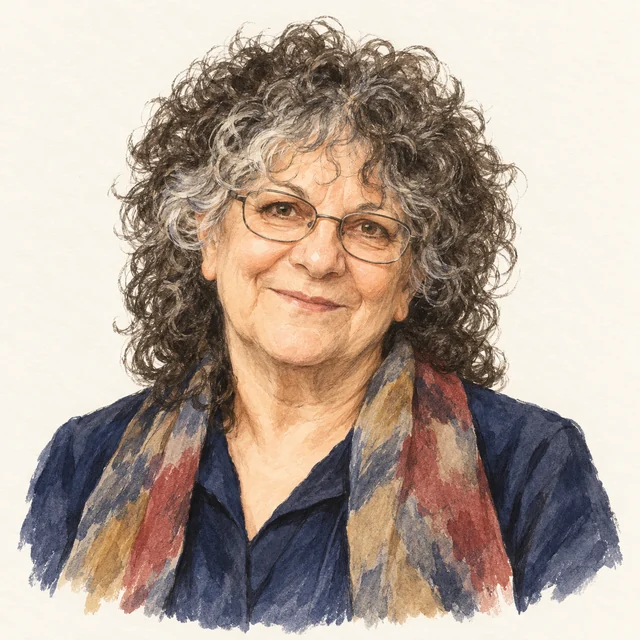
Yonath grew up in Jerusalem and Tel Aviv, studied chemistry at the Hebrew University and earned her doctorate at the Weizmann Institute in 1968. Her career included research in Israel, Europe and the United States. In the late 1970s she began the difficult task of crystallising ribosomes. Choosing material from organisms adapted to harsh conditions and developing ways to protect delicate crystals helped make the project feasible.
The contribution
Yonath pioneered the experimental groundwork for ribosome crystallography and later determined high-resolution structures, including the small subunit in 2000. Her research also examined how antibiotics bind to ribosomes and obstruct their function. The achievement required years of improvements in sample preparation, diffraction data and structural analysis, rather than a single direct photograph of a working cell.
The idea in plain language
A ribosome translates information carried by messenger RNA into a chain of amino acids. Transfer RNAs bring the building blocks and pair with the message, while the ribosome helps choose the right match and form the links. It is a large assembly of RNA and proteins with two interacting subunits. Knowing the broad outline was different from seeing how its working parts fit together.
Read the full award story ↗