A life in context
The person behind the prize
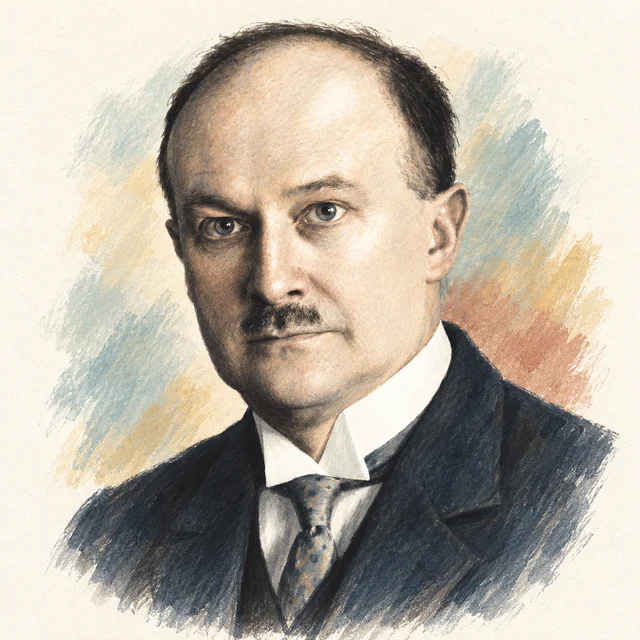
Windaus began medical studies in Freiburg and Berlin before chemistry, including Emil Fischer’s lectures, became a central interest. His Freiburg doctorate concerned substances from the Digitalis plant. From 1901 he investigated cholesterol and related sterols, pursuing chemical transformations that could reveal relationships among complicated natural substances. He taught at Innsbruck from 1913 and moved to Göttingen in 1915, remaining there until retirement in 1944. In 1919 he converted cholesterol into cholanic acid, linking sterol research with the bile-acid investigations of Heinrich Wieland. Cooperation with Alfred Hess and others in the 1920s connected sterols with the vitamin activity involved in preventing rickets. Irradiated ergosterol preparations acquired vitamin D activity; this did not mean unchanged ergosterol itself was the vitamin. The 1928 Chemistry Prize recognized his sterol investigations and their connection with vitamins, rather than a finished modern account of every steroid or vitamin structure. Wieland’s separate 1927 prize was presented at the same ceremony. Windaus continued other biochemical studies and died in 1959.
The contribution
Windaus received the full Chemistry Prize for research into the constitution of sterols and their connection with vitamins. Chemical transformations linked cholesterol, bile-acid chemistry and vitamin D activity.
The idea in plain language
Cholesterol and other sterols were difficult natural compounds to understand. Windaus used chemical transformations and comparisons to investigate their constitution. Producing cholanic acid from cholesterol linked his work with the bile-acid investigations of Heinrich Wieland.
Read the full award story ↗

