A life in context
The person behind the prize
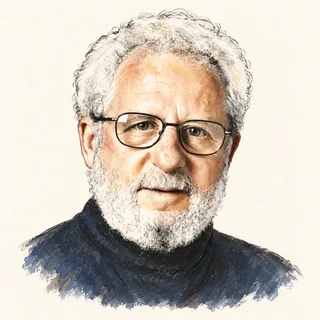
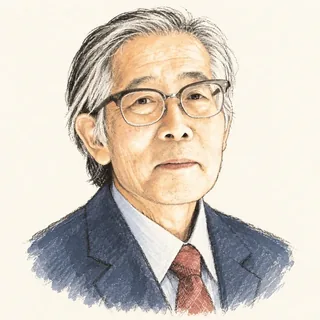
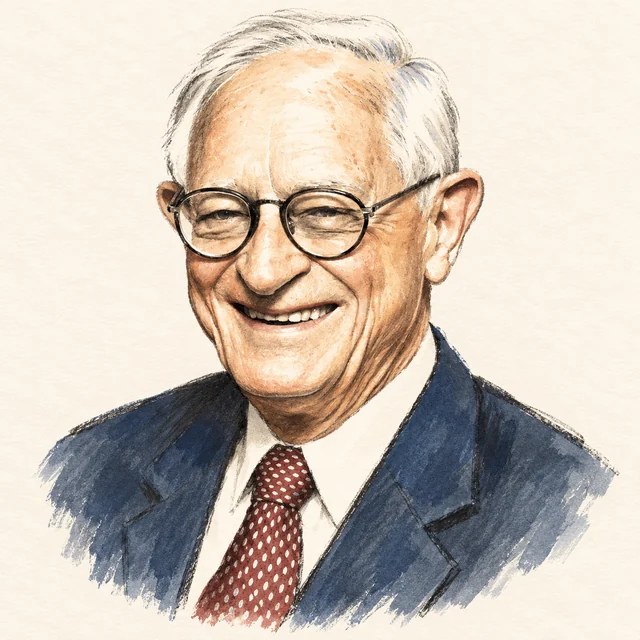
MacDiarmid grew up in New Zealand and pursued graduate chemistry in the United States and Britain, earning doctorates at Wisconsin in 1953 and Cambridge in 1955. He joined the University of Pennsylvania in 1956. His work on materials with unusual electronic properties helped create a meeting point between inorganic chemistry and organic polymers. A conversation with Shirakawa brought their complementary research into contact.
The contribution
MacDiarmid helped develop the chemical treatment of polyacetylene films that made their conductivity rise dramatically. In collaboration with Shirakawa, Heeger and colleagues, oxidation with iodine removed electrons from the polymer and introduced charge carriers. This was doping by charge transfer, not simply filling a plastic with metal particles. The work showed that chemistry could tune the electronic behaviour of a polymer backbone.
The idea in plain language
Most familiar plastics are useful electrical insulators. Polyacetylene offered a different possibility: its chain contains alternating single and double bonds, creating a conjugated electronic system. Shirakawa developed ways to make this polymer as a thin film. A metallic-looking surface was intriguing, but appearance alone did not establish good electrical conduction.
Read the full award story ↗