A life in context
The person behind the prize
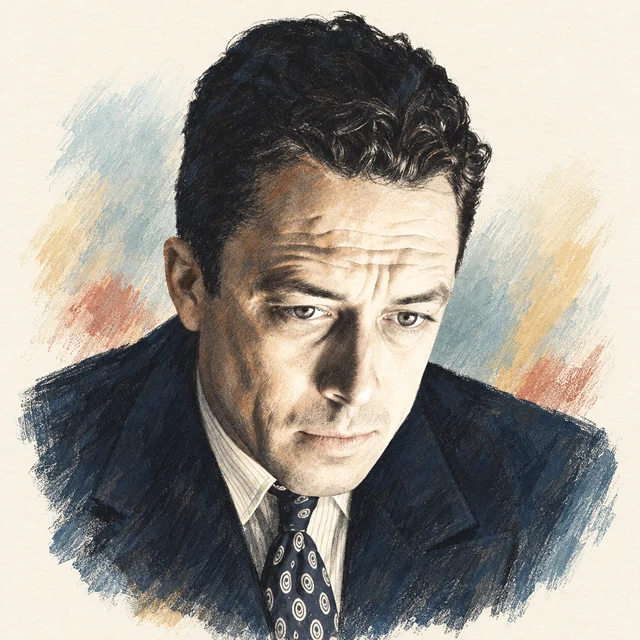
Camus grew up in modest circumstances in Algiers and studied philosophy. Journalism and theatre in Algeria preceded work in Paris and his involvement in the Resistance newspaper Combat. His essays and fiction explored the tension between human demands for meaning and a world that does not automatically answer them. The Stranger and The Myth of Sisyphus appeared in French in 1942, The Plague in 1947 and The Rebel in 1951. The Fall followed in 1956 and Exile and the Kingdom in 1957. Across varied literary forms he examined judgment, violence, responsibility and the possibility of solidarity. He resisted being confined to an existentialist label; confronting absurdity did not simply mean endorsing indifference or despair. The 1957 prize recognised a literary body of work illuminating problems of human conscience. Publication dates here refer to French originals, not later English translations. His unfinished novel The First Man was published posthumously in 1994 and is separate from the work available at the award.
The contribution
Camus used fiction, essays and dramatic writing to examine human conscience, responsibility and solidarity. He received the full Literature Prize.
The idea in plain language
People seek meaning, clarity and moral assurance, but experience does not always provide them. Camus approached this tension through varied literary forms, examining estrangement, judgment and the limits of simple explanations.
Read the full award story ↗

