c.curionodeThe Nobel Archive

1957 · Literature

Facing absurdity while preserving responsibility

Camus explored human conscience through fiction, essays and drama, asking how people might act without easy certainty.

Human conscienceAbsurdityResponsibility and solidarity
1957Literature

Visual guide

The prize, pictured

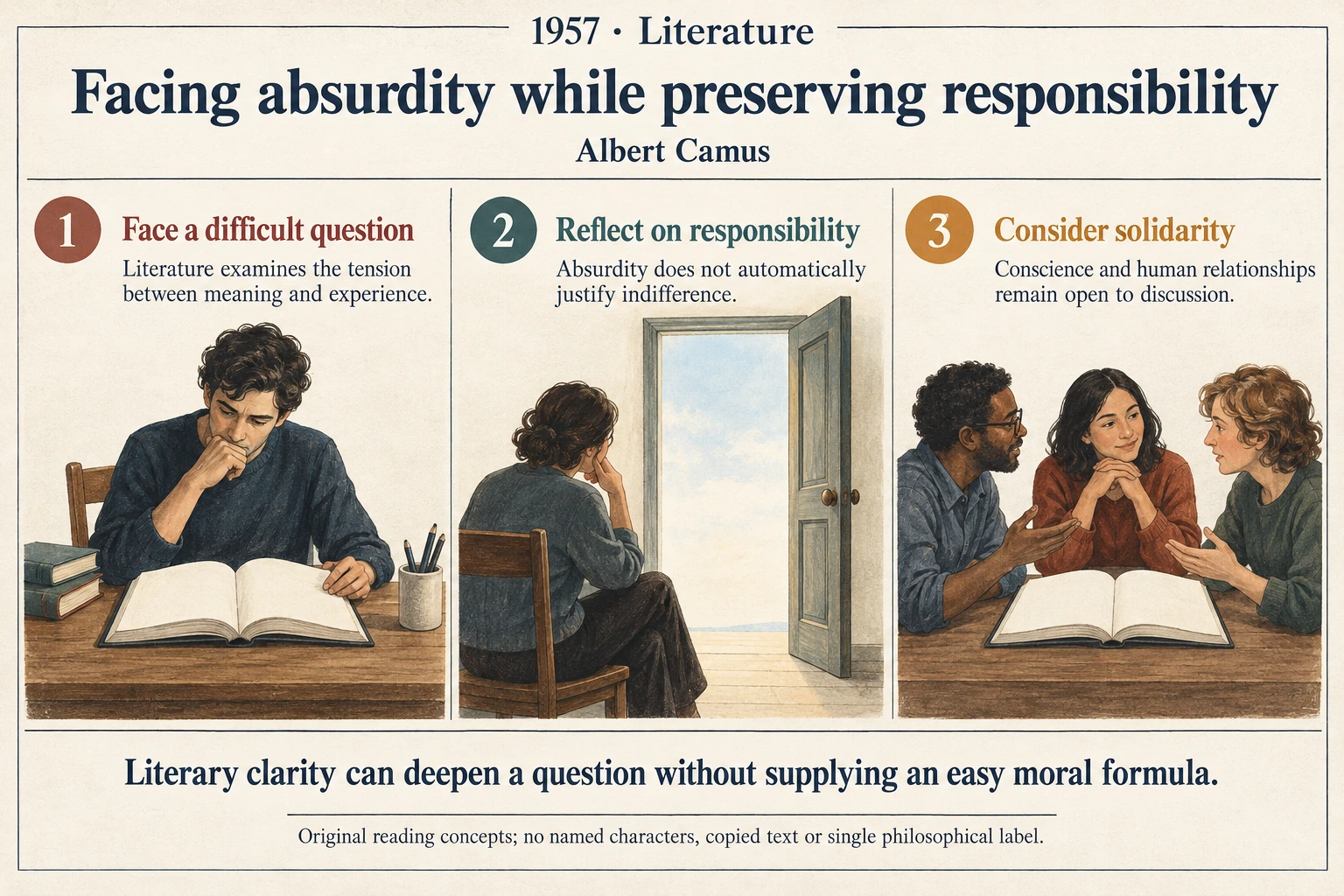
Infographic explaining Facing absurdity while preserving responsibility
Original AI-generated infographic. A conceptual overview; the explanations and sources below provide context.
Read the poster text

Literary clarity can deepen a question without supplying an easy moral formula.

  1. Face a difficult question

    Literature examines the tension between meaning and experience.

  2. Reflect on responsibility

    Absurdity does not automatically justify indifference.

  3. Consider solidarity

    Conscience and human relationships remain open to discussion.

Original reading concepts; no named characters, copied text or single philosophical label.

01 · The contribution

The idea, in everyday language

People seek meaning, clarity and moral assurance, but experience does not always provide them. Camus approached this tension through varied literary forms, examining estrangement, judgment and the limits of simple explanations.

The Stranger and The Myth of Sisyphus appeared in French in 1942; The Plague followed in 1947 and The Rebel in 1951. These works approached absurdity, solidarity and rebellion from different angles. The Fall in 1956 and Exile and the Kingdom in 1957 extended his examination of conscience and human relationships. The prize recognised a body of writing illuminating the problems of human conscience, rather than a single novel or a rigid philosophical system.

Why it matters

Camus made literary form a means of questioning responsibility, violence and solidarity. His work resisted the idea that confronting absurdity simply licenses indifference. The full 1957 prize recognised the clarity and seriousness of his literary contribution, while readers can disagree about particular arguments and interpretations.
02 · The people

Who brought the idea to life?

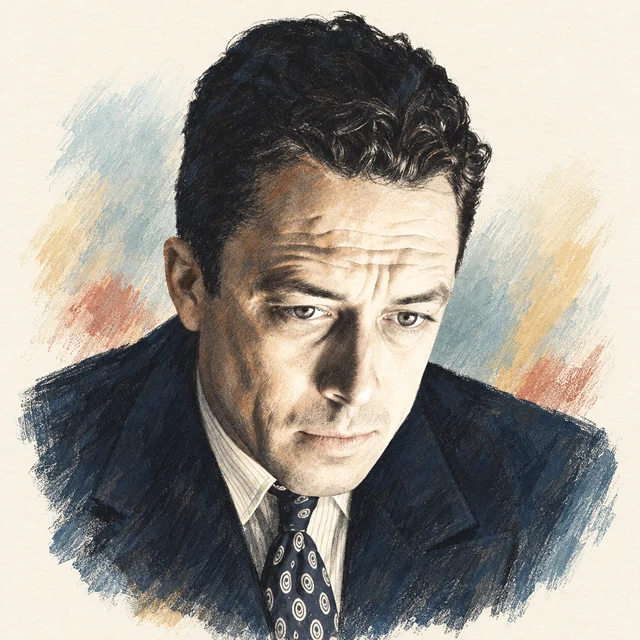
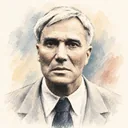
Illustrated portrait of Albert Camus

Albert Camus

Prize share · 1

Camus used fiction, essays and dramatic writing to examine human conscience, responsibility and solidarity. He received the full Literature Prize.

Read the biography ↗

03 · Years in the making

The path here

  1. 1913

    Camus is born in French Algeria.

  2. 1937

    L’envers et l’endroit is published in French.

  3. 1939

    Noces appears.

  4. 1942

    The Stranger and The Myth of Sisyphus are published in French.

  5. 1944

    Le Malentendu and Caligula appear in print.

  6. 1947

    The Plague is published.

  7. 1950

    Les Justes appears as a book.

  8. 1951

    The Rebel is published.

  9. 1956

    The Fall is published in French.

  10. 1957

    Exile and the Kingdom appears; Camus receives the full Literature Prize.

  11. 1958

    Later: the Swedish speeches are published as a book.

  12. 1994

    Later: the unfinished First Man is published posthumously.

04 · Read further

From the original sources

Original explanations by Curionode, based on the official records below. Biographical details and affiliations refer to the award year.

  1. Official award summary nobelprize.org
  2. Award ceremony speech nobelprize.org
  3. Official Camus bibliography nobelprize.org
  4. Official biography: Albert Camus nobelprize.org

More in Literature

Browse this subject ↗