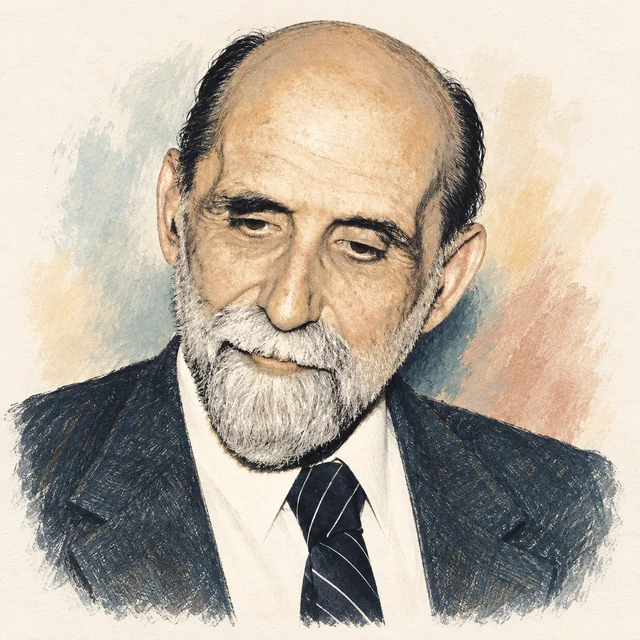
A life in context
The person behind the prize
Jiménez grew up in Moguer and studied in Andalusia before committing to writing. Rubén Darío helped his early publication; Almas de violeta and Ninfeas appeared in 1900. Early imagery drew on Romanticism and Symbolism, while later work pursued more concentrated language and continual revision. Platero y yo first appeared in a shorter edition in 1914 and a full edition in 1917. He married Zenobia Camprubí in New York during the 1916 journey that informed Diario de un poeta recién casado, published in 1917. Their collaborative translation work, including Tagore, was part of their literary life. Eternidades in 1918 and Piedra y cielo in 1919 developed his search for precision. Exile from Spain began in 1936; after Cuba and the United States he settled in Puerto Rico in 1951. The university’s research collection was founded through both partners’ initiative in 1955. The full 1956 prize recognised his lyric poetry. Subsequent posthumous publications should not be treated as books available at the award.
The contribution
Jiménez renewed Spanish lyric poetry through concentrated expression, revision and sustained attention to poetic language. He received the full Literature Prize.
The idea in plain language
How can a poem make an experience precise while shedding unnecessary ornament? Jiménez’s early writing drew on Romanticism and Symbolism, while his later work pursued a more concentrated relation between language, perception and thought.
Read the full award story ↗

