A life in context
The person behind the prize
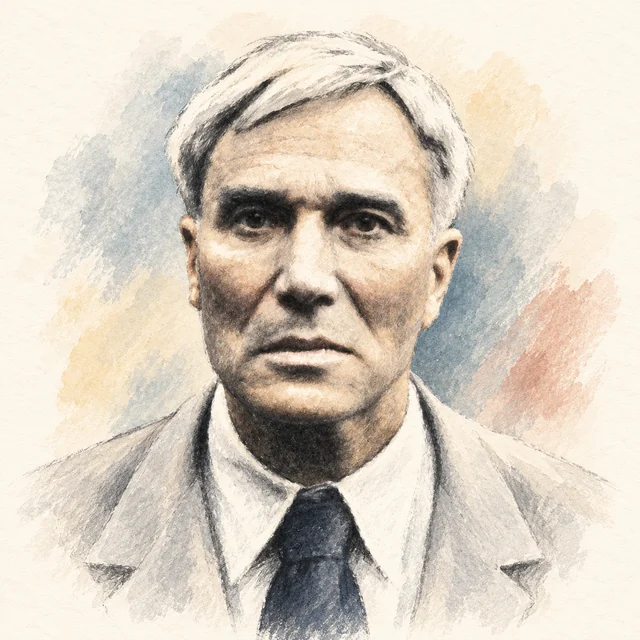
Pasternak grew up in an artistic Moscow family and initially studied musical composition. Education at Moscow and philosophy studies in Marburg preceded his decision in 1912 to devote himself to literature. My Sister Life, published in 1922, and Themes and Variations in 1923 helped establish his poetic reputation. Poetry, prose and translation developed together: he translated Georgian poets and major European writers, including Shakespeare. Later poetry used more direct language while continuing to explore nature, experience and human relationships. Doctor Zhivago first appeared in Italian translation in 1957 after being prevented from publication in the Soviet Union. The 1958 prize recognised both his contemporary lyric poetry and his contribution to the Russian epic tradition. He initially accepted the award but then declined under pressure from Soviet authorities. The Academy’s official announcement states that refusal did not alter the award’s validity. His later autobiographical publication in 1959 and death in 1960 belong to subsequent history.
The contribution
Pasternak joined lyric intensity with the Russian narrative tradition across poetry and prose. He received the full Literature Prize, despite being forced to decline its presentation.
The idea in plain language
How can writing preserve the texture of an individual life while addressing a historical world much larger than one person? Pasternak’s early modernist poetry explored nature, language and experience through concentrated images.
Read the full award story ↗

