A life in context
The person behind the prize
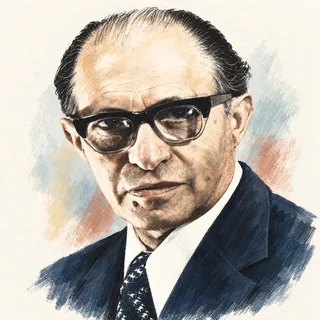
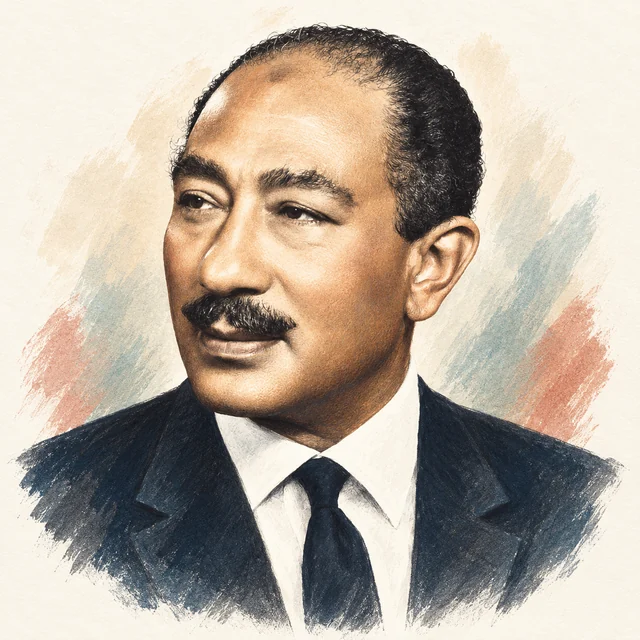
Sadat trained as an army officer and participated in opposition to British domination of Egypt. He was imprisoned during the wartime and postwar years and took part in the 1952 officers’ revolution. Parliamentary and government posts preceded his becoming president after Gamal Abdel Nasser’s death in 1970. Following further conflict with Israel, he sought a diplomatic route to recover occupied territory. His visit to Jerusalem in November 1977 broke a major barrier to direct contact. Negotiations with Menachem Begin, mediated by US President Jimmy Carter, produced the Camp David frameworks in September 1978. The bilateral treaty was signed in March 1979, after the Nobel award. His assassination in 1981 was a later event. The recognised negotiations do not erase controversy over his wider political record or resolve every regional conflict.
The contribution
Sadat opened direct negotiations with Israel and helped conclude the 1978 Camp David frameworks. He received one half of the Peace Prize, with Begin receiving the other half. Carter’s mediation and further negotiations were essential to the subsequent treaty.
The idea in plain language
Sadat’s November 1977 journey to Jerusalem opened a new route for direct engagement. Begin responded to the initiative, and President Jimmy Carter brought the leaders and their delegations to Camp David in September 1978. Difficult talks required drafts, revisions and separate meetings as well as face-to-face contact.
Read the full award story ↗