A life in context
The person behind the prize
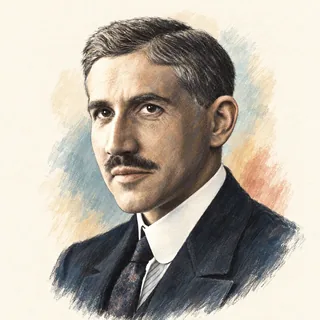
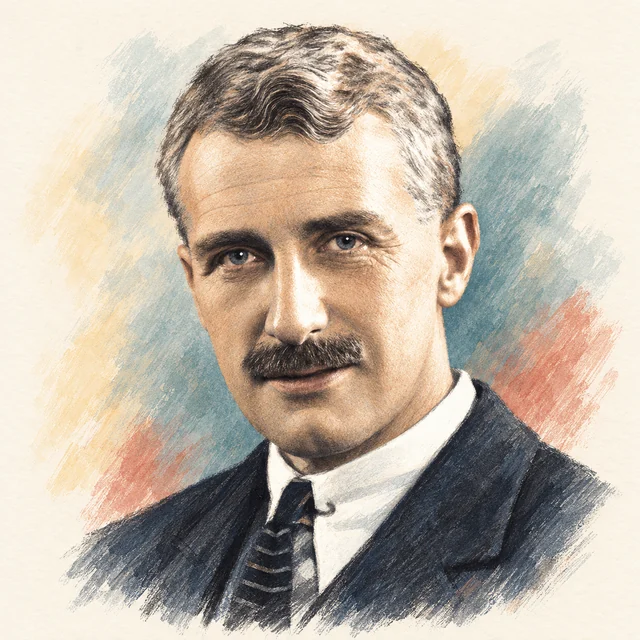
Hill first trained in mathematics at Trinity College, Cambridge, graduating in 1907 before turning to physiology. From 1909 he investigated muscle contraction, developing very sensitive ways to measure its small and rapid thermal changes. He distinguished heat associated with the working phase from later heat during recovery, showing why the timing of energy release mattered. His physical measurements complemented Meyerhof’s chemical investigations, and the two exchanged results across national boundaries after the First World War. Hill became professor of physiology at Manchester in 1920 and moved to University College London in 1923. The 1922 Medicine Prize was reserved and awarded in 1923; the official award record lists London University as his affiliation. He shared it equally with Meyerhof, with his own citation recognising muscle heat production. Later he extended his methods to human exercise and nerve activity, and helped develop biophysics. He became a Royal Society research professor and also served in public life. He died in Cambridge in 1977.
The contribution
Hill received half the prize for discoveries about heat production in muscle. His measurements separated the timing of contraction-related heat and oxygen-dependent recovery heat, connecting physical energy accounting with physiology.
The idea in plain language
A contracting muscle does work and gives off heat, but how are these changes connected with chemistry? Hill used sensitive thermal measurements on isolated frog muscle to distinguish heat associated with the working phase from later recovery heat. In those experiments the initial process could occur without a fresh oxygen supply, whereas the recovery heat depended on oxygen.
Read the full award story ↗