A life in context
The person behind the prize
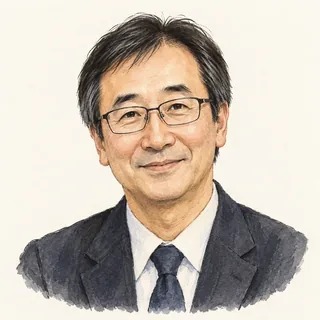
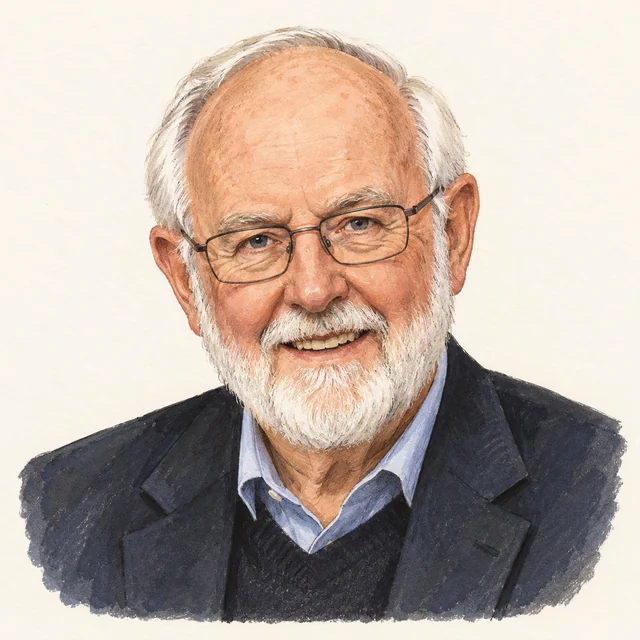
McDonald studied at Dalhousie University and earned his doctorate at Caltech in 1969. He worked at Chalk River and Princeton before joining Queen’s University in 1989. He led the Sudbury Neutrino Observatory collaboration in Canada, which used a deep underground tank of heavy water to investigate neutrinos from the Sun. The detector’s unusual material allowed researchers to ask more than one question about the same incoming particles.
The contribution
The SNO team compared signals sensitive to electron neutrinos with measurements that could include all three active types. Results beginning in 2001 showed that the missing solar electron neutrinos had changed type. The Sun’s total neutrino output could agree with expectations even though an electron-only count was low.
The idea in plain language
Neutrinos are tiny particles that rarely interact with matter. They come in three detectable types, called flavours: electron, muon and tau. For decades, experiments counted fewer electron neutrinos from the Sun than calculations predicted. Was the model of the Sun wrong, or were the experiments missing something about the particles? A detector sensitive mainly to one flavour could not settle the question by itself.
Read the full award story ↗