A life in context
The person behind the prize
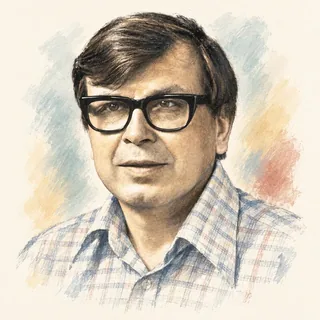
Blumberg studied physics at Union College while serving in the US Navy, then turned from mathematics to medicine at Columbia. Fieldwork in Surinam drew his attention to differences in responses to infection. An Oxford doctorate and research at NIH connected biochemical variation with population studies. Investigating blood proteins with collaborators led to the Australia antigen, later identified as hepatitis B surface antigen. He moved to Philadelphia’s Institute for Cancer Research in 1964. Thomas London, Irving Millman, Alton Sutnick and a wider international team contributed to identifying the marker and developing practical applications. Screening donated blood and using the surface antigen to develop vaccines translated an unexpected laboratory finding into prevention. US vaccine licensing in 1981 followed the Nobel award; later recombinant vaccines were a further development.
The contribution
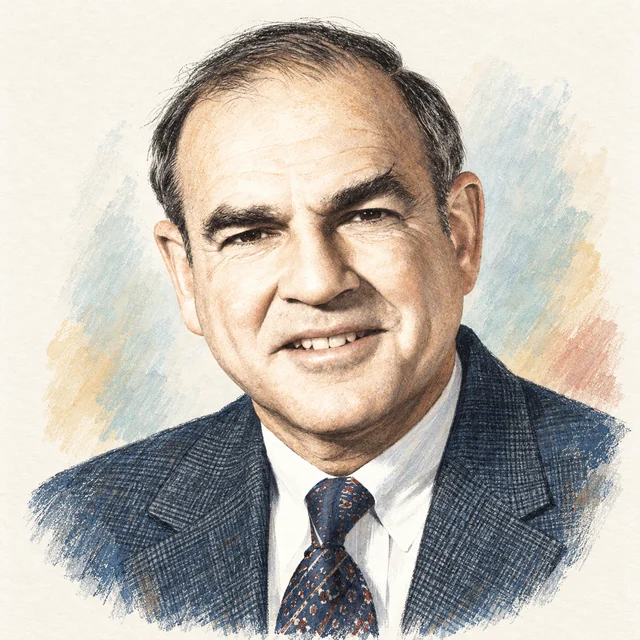
Blumberg’s work linked a blood antigen to hepatitis B, enabling screening and vaccine development. He received half the Medicine Prize, while Gajdusek received the other half for separate research on transmissible neurological disease.
The idea in plain language
Blumberg’s search for differences in blood proteins led to the Australia antigen, later identified as hepatitis B surface antigen, or HBsAg. Connecting that marker with infection made it possible to screen donated blood and supported vaccine development. The surface antigen is a viral protein, not a complete virus: suitable preparations of this protein can be used to stimulate immunity without injecting infectious hepatitis B virus. The first US plasma-derived vaccine was licensed in 1981, after the award, and recombinant vaccines followed. Hepatitis B transmission involves infected blood or certain body fluids, including transmission at birth; ordinary shared food or casual social contact is not the mechanism.
Read the full award story ↗