A life in context
The person behind the prize
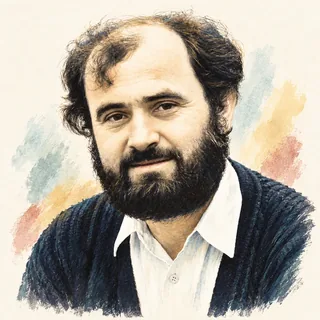
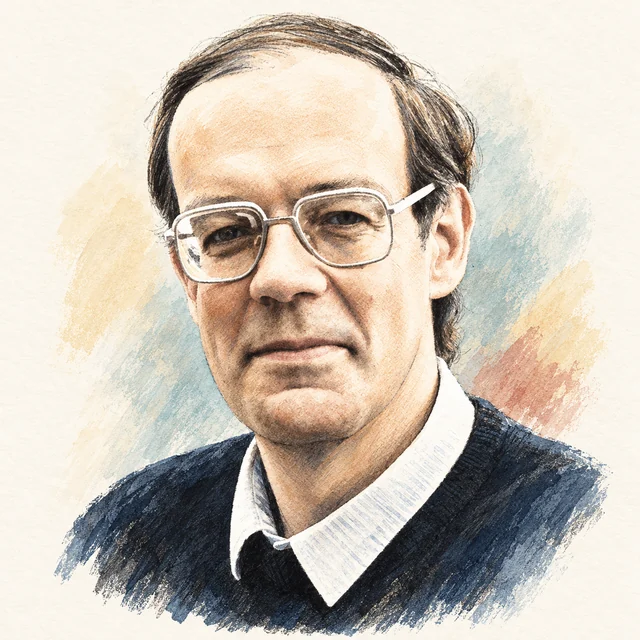
Sakmann’s childhood interest in technical construction preceded medical training and research on the nervous system. Work with Otto Creutzfeldt drew him toward physiology; training with Bernard Katz in London focused his attention on synapses. In Göttingen he collaborated with Neher on patch clamp. Later, in Heidelberg, he combined cellular recordings and molecular biology to investigate how channel structure relates to function and how nerve cells communicate.
The contribution
Sakmann shared the development of measurements of individual ion channels and investigated their role in synaptic signals. The collaboration joined cell physiology with instrument development; Owen Hamill, Alain Marty and Fred Sigworth helped establish improved recording configurations. Combining patch clamp with recombinant channels later linked molecular structure to electrical function. The award does not attribute every channel discovery or every refinement to the two laureates alone.
The idea in plain language
Cell membranes separate solutions containing charged ions. Protein channels provide selective paths across the membrane, opening and closing as cells signal. Currents measured across many channels can hide the behaviour of each one. Neher and Sakmann brought a fine glass pipette against a small membrane patch to measure the current associated with individual channels.
Read the full award story ↗