c.curionodeThe Nobel Archive

1991 · Physiology or Medicine

Listen to one ion channel at a time

Neher and Sakmann developed patch-clamp recordings that made individual channels’ tiny electrical currents measurable.

patch clampion channelselectrophysiologycell signalling
1991Physiology or Medicine

Visual guide

The prize, pictured

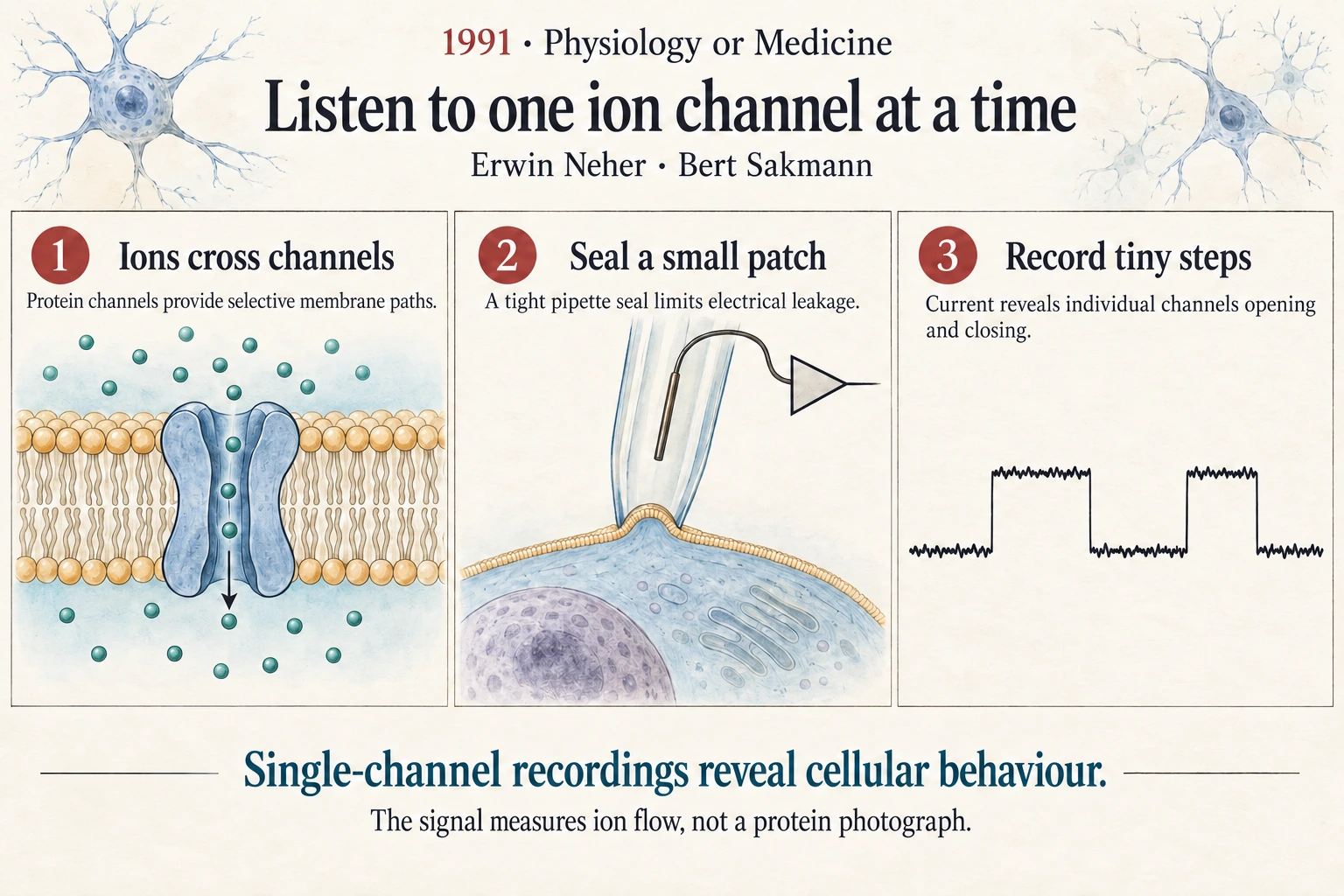
Infographic explaining Listen to one ion channel at a time
Original AI-generated infographic. A conceptual overview; the explanations and sources below provide context.
Read the poster text

Single-channel recordings reveal cellular behaviour.

  1. Ions cross channels

    Protein channels provide selective membrane paths.

  2. Seal a small patch

    A tight pipette seal limits electrical leakage.

  3. Record tiny steps

    Current reveals individual channels opening and closing.

The signal measures ion flow, not a protein photograph.

01 · The discovery

The idea, in everyday language

Cell membranes separate solutions containing charged ions. Protein channels provide selective paths across the membrane, opening and closing as cells signal. Currents measured across many channels can hide the behaviour of each one. Neher and Sakmann brought a fine glass pipette against a small membrane patch to measure the current associated with individual channels.

The seal between pipette and membrane is crucial: a very high resistance limits leakage, while a sensitive amplifier records tiny changes. A channel opening or closing produces a step between current levels under suitable conditions. Later improvements with colleagues expanded the configurations and cells that could be studied. Measurements linked the electrical behaviour of channels to molecular biology, nerve signalling and secretion.

Why it matters

Patch clamp transformed experimental physiology by allowing detailed studies of channel activity, cell currents and signalling. Combined with other methods, it helps investigate channel mutations and how substances affect channels. The award recognises the foundation of a measurement approach, not a universal cure for channel-related disease.
02 · The people

Who brought the idea to life?

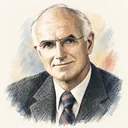
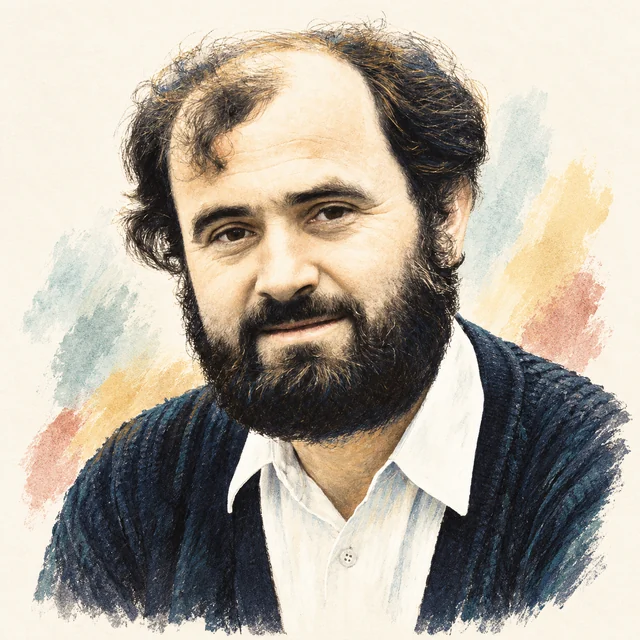
Illustrated portrait of Erwin Neher

Erwin Neher

Prize share · 1/2

Neher and Sakmann developed recordings of currents through individual ion channels, reporting early single-channel recordings in 1976. A glass pipette and a high-resistance membrane seal reduce leakage so that tiny changes in current become measurable. Neher’s physical and instrumental expertise was central to the collaboration and later refinements with colleagues. A record measures ion flow through a channel, not an image of its shape. Each laureate received half the prize.

Read the biography ↗
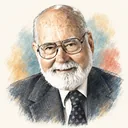
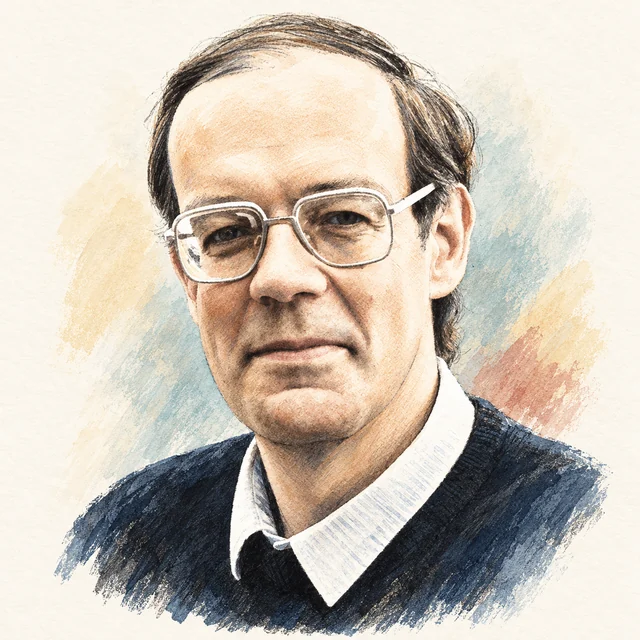
Illustrated portrait of Bert Sakmann

Bert Sakmann

Prize share · 1/2

Sakmann shared the development of measurements of individual ion channels and investigated their role in synaptic signals. The collaboration joined cell physiology with instrument development; Owen Hamill, Alain Marty and Fred Sigworth helped establish improved recording configurations. Combining patch clamp with recombinant channels later linked molecular structure to electrical function. The award does not attribute every channel discovery or every refinement to the two laureates alone.

Read the biography ↗

03 · Years in the making

The path here

  1. 1976

    Neher and Sakmann report early single-channel current recordings.

  2. Around 1980

    Improved high-resistance seals make patch-clamp recording much more powerful.

  3. 1980s

    Expanded configurations and molecular biology link channel structure to function.

  4. 1991

    Neher and Sakmann share the prize equally for discoveries concerning single ion channels.

04 · Read further

From the original sources

Original explanations by Curionode, based on the official records below. Biographical details and affiliations refer to the award year.

  1. Official announcement nobelprize.org

More in Physiology or Medicine

Browse this subject ↗