c.curionodeThe Nobel Archive

1990 · Physiology or Medicine

Make organ and cell transplantation possible

Murray advanced kidney transplantation; Thomas developed marrow-cell transplantation to rebuild blood formation.

kidney transplantationbone marrowimmune rejectiongraft-versus-host disease
1990Physiology or Medicine

Visual guide

The prize, pictured

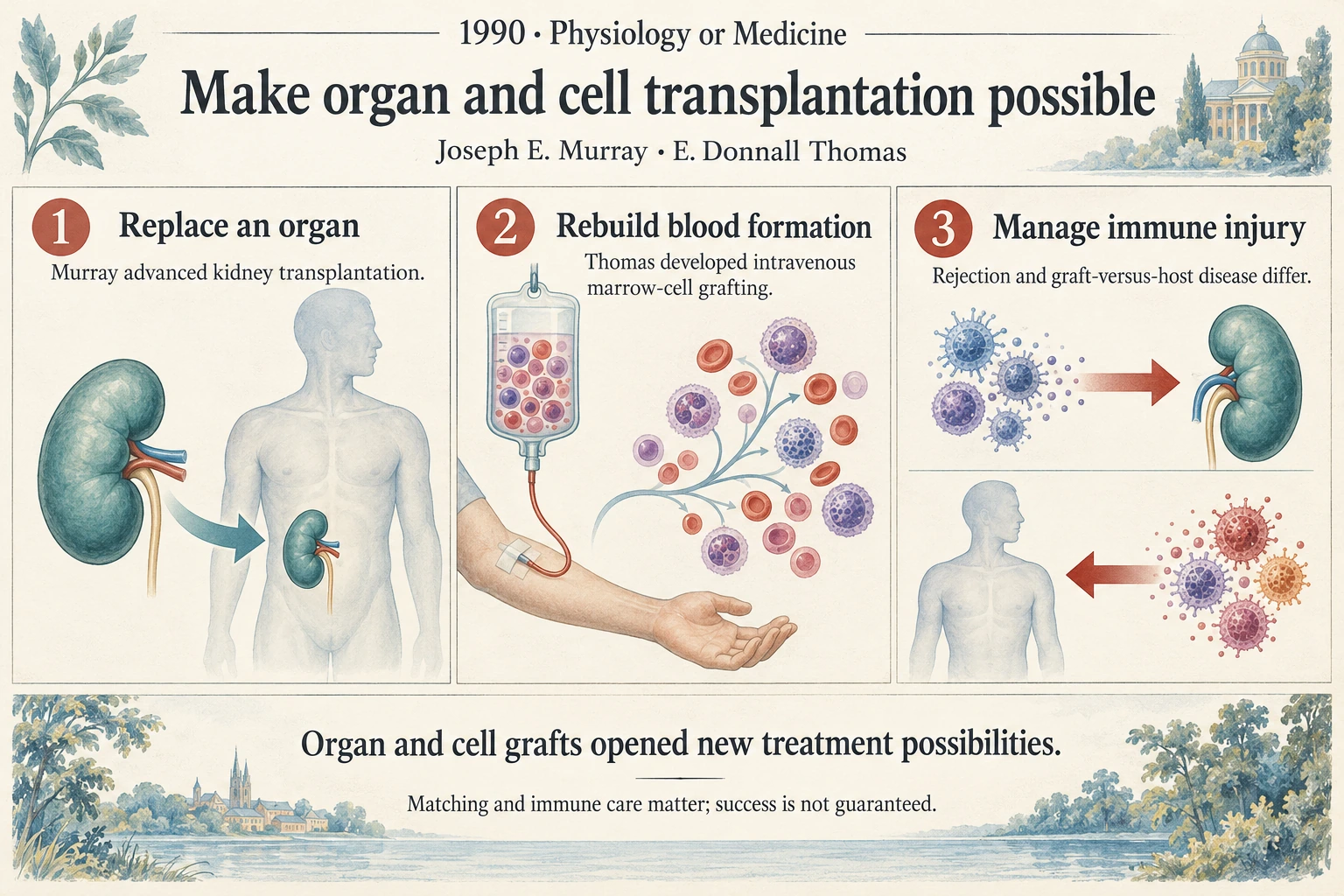
Infographic explaining Make organ and cell transplantation possible
Original AI-generated infographic. A conceptual overview; the explanations and sources below provide context.
Read the poster text

Organ and cell grafts opened new treatment possibilities.

  1. Replace an organ

    Murray advanced kidney transplantation.

  2. Rebuild blood formation

    Thomas developed intravenous marrow-cell grafting.

  3. Manage immune injury

    Rejection and graft-versus-host disease differ.

Matching and immune care matter; success is not guaranteed.

01 · The discovery

The idea, in everyday language

Replacing a failing organ or a diseased blood-forming system requires more than transferring material. The recipient’s immune system can recognise a graft as foreign and reject it. Murray’s team established kidney transplantation between identical twins in 1954, bypassing this major immune incompatibility. Subsequent work with colleagues developed methods for transplanting kidneys between genetically different people, including drug-supported control of rejection.

Thomas worked with marrow cells capable of restoring blood formation. These cells are infused into a vein and can establish themselves in marrow; they are not inserted into the spinal cord or sewn into a bone. Progress required tissue matching, preparation of the recipient and extensive supportive care. Donor immune cells can also attack the recipient, causing graft-versus-host disease. Managing these different directions of immune injury was essential.

Why it matters

The work helped establish transplantation as treatment for selected organ failures and blood diseases. Murray and Thomas represent different clinical approaches built through broad collaborations in surgery, immunology, drug development and patient care. Success opened new possibilities, while complications, suitable donors and long-term follow-up remained central.
02 · The people

Who brought the idea to life?

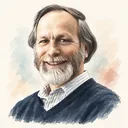
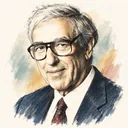
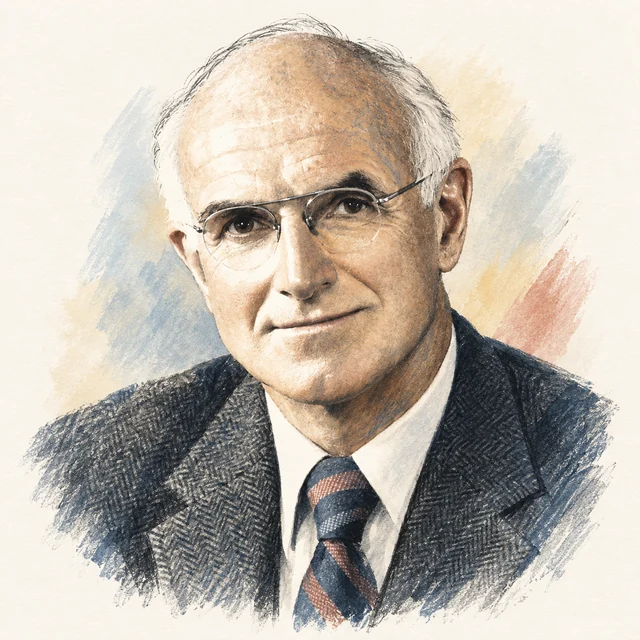
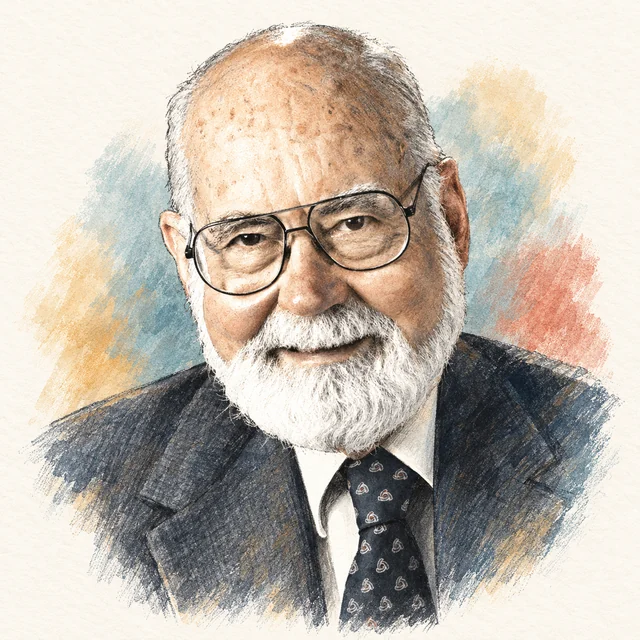
Illustrated portrait of Joseph E. Murray

Joseph E. Murray

Prize share · 1/2

Murray established surgical approaches for kidney transplantation and helped bring control of immune rejection into clinical practice. The 1954 identical-twin transplant bypassed the major genetic immune barrier; it did not use the irradiation and drug protocols developed later. His lecture distinguishes that operation from subsequent irradiation experiments and a successful drug-treated deceased-donor transplant in 1962. He shared the prize equally with Thomas for discoveries concerning organ and cell transplantation.

Read the biography ↗
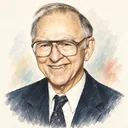
Illustrated portrait of E. Donnall Thomas

E. Donnall Thomas

Prize share · 1/2

Thomas developed bone-marrow transplantation using intravenous infusion of cells capable of rebuilding blood formation. Early human studies reported in 1957 had limited success; progress depended on tissue matching, conditioning, infection control and management of graft-versus-host disease. His team’s matched-sibling transplant for advanced leukemia in 1969 helped establish a more effective approach. Marrow is not the spinal cord, and its cells are not sewn into a bone. Thomas received half the prize.

Read the biography ↗

03 · Years in the making

The path here

  1. 1954

    Murray’s team performs a successful kidney transplant between identical twins.

  2. 1957

    Thomas and colleagues report early intravenous marrow infusions, with limited engraftment.

  3. 1962

    Murray’s team achieves a successful drug-treated deceased-donor kidney transplant.

  4. 1969

    Thomas’s team performs a matched-sibling marrow transplant for advanced leukemia.

  5. 1990

    Murray and Thomas share the prize equally for transplantation discoveries.

04 · Read further

From the original sources

Original explanations by Curionode, based on the official records below. Biographical details and affiliations refer to the award year.

  1. Official announcement nobelprize.org
  2. Murray Nobel lecture (1990) nobelprize.org
  3. Thomas Nobel lecture (1990) nobelprize.org

More in Physiology or Medicine

Browse this subject ↗