A life in context
The person behind the prize
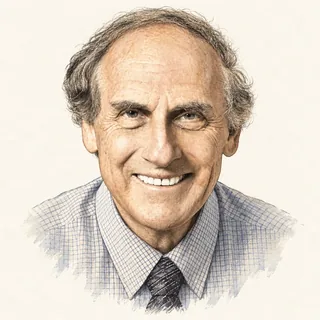
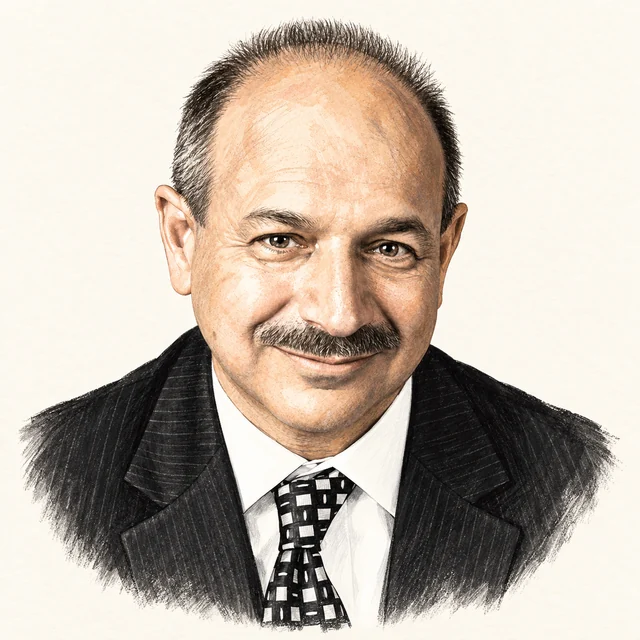
Beutler was born in Chicago and grew up in California. He received his medical degree at the University of Chicago in 1981 and pursued research into the molecular signals that drive inflammation. His work at UT Southwestern used mouse genetics to investigate why some animals failed to respond normally to bacterial material. He later worked at Scripps and returned to UT Southwestern in 2011.
The contribution
In 1998 Beutler and colleagues identified mutations in the Tlr4 gene in mice that were unusually unresponsive to bacterial lipopolysaccharide. The result connected a mammalian Toll-like receptor with detection of a microbial signal and activation of innate immunity. It helped explain how an early immune alarm is triggered and why an excessive response can be dangerous.
The idea in plain language
An immune response must begin by detecting that something needs attention. Hoffmann’s team showed that the Toll pathway, already known from fruit-fly development, was needed for an effective defence against fungal infection. Beutler’s team found that mice with an altered Tlr4 gene responded abnormally to bacterial lipopolysaccharide. Together, these lines of work revealed related molecular machinery that helps activate innate immunity, the body’s early response to microbial signals.
Read the full award story ↗