A life in context
The person behind the prize
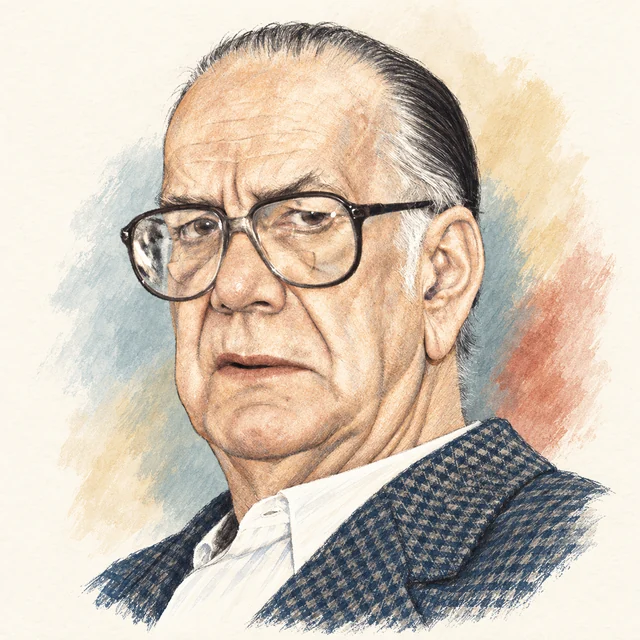
Cela was born in Galicia and grew up partly in Madrid. Medical studies gave way to literature; during the Spanish Civil War he joined Franco’s Nationalist forces. In the early 1940s he worked as a part-time censor. The Family of Pascual Duarte appeared in 1942, Journey to the Alcarria in 1948, and The Hive first in Buenos Aires in 1951 after Spanish censorship prevented publication there. He later founded Papeles de Son Armadans and joined the Spanish Royal Academy. His literary achievement and his political history both belong in a biographical account.
The contribution
Cela experimented with confession, many-voiced montage, travel observation and fragmented prose to depict vulnerability, deprivation and violence. The Hive brings together numerous lives in postwar Madrid rather than following one heroic protagonist. The award recognised his wider body of prose and its vision of human vulnerability, not a single novel or an endorsement of his political conduct. His own censorship work complicates a simple picture of him as an opponent of censorship.
The idea in plain language
Cela’s prose changes form across works. The Family of Pascual Duarte uses a violent life narrated as a confession, confronting readers with deprivation and choices without making the speaker’s account an unquestionable explanation. The Hive assembles numerous short scenes and voices in postwar Madrid. Cafés, streets and conversations connect many lives rather than organising the city around one hero.
Read the full award story ↗

