A life in context
The person behind the prize
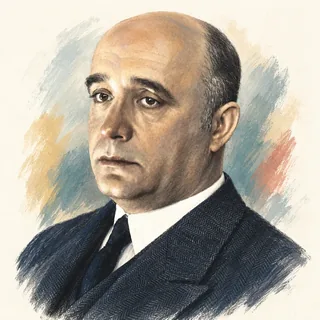
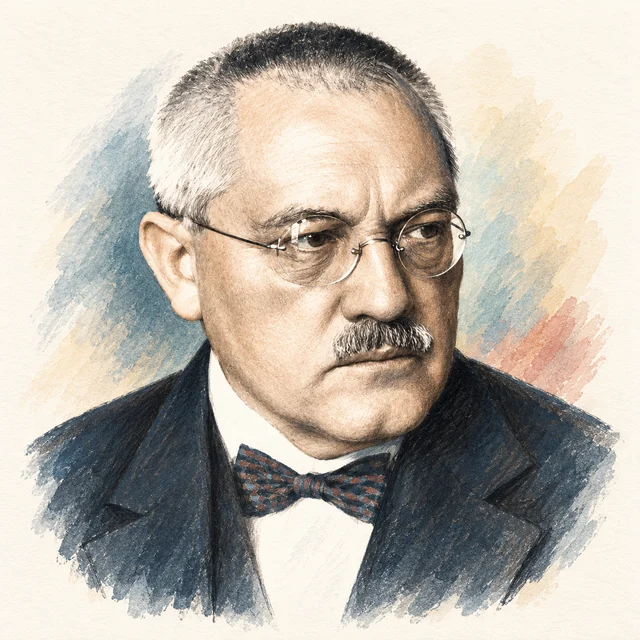
Bosch studied engineering before completing a chemistry doctorate in Leipzig in 1898. He joined BASF in 1899. Fritz Haber’s laboratory demonstration of ammonia synthesis presented a difficult industrial challenge: equipment, materials, gas purification, catalysts and heat management all had to work reliably together. Bosch led the team that brought the process into production at Oppau in 1913; Alwin Mittasch and his colleagues made essential contributions to catalyst development. Bosch later led BASF and became I.G. Farben’s chief executive in 1925, moving to its supervisory-board chairmanship in 1935. He shared the 1931 Chemistry Prize equally with Bergius. Ammonia supplied fertilizers but also the nitrogen chemistry needed for wartime explosives. BASF’s institutional history records both I.G. Farben’s accommodation with the Nazi regime during Bosch’s leadership and his individual advocacy for persecuted Jewish scientists. The latter does not erase the former. He became president of the Kaiser Wilhelm Society in 1937 and died in 1940.
The contribution
Bosch received half the Chemistry Prize for developing high-pressure chemical methods. His central contribution was making ammonia synthesis an industrial process through coordinated engineering, materials and chemical research.
The idea in plain language
A reaction demonstrated in a laboratory may fail as an industrial process. Hot gases, vessel materials, impurities, catalysts and heat flows must be controlled together. Bosch’s team turned Haber’s ammonia synthesis into reliable production, with Oppau starting in 1913. Nitrogen and hydrogen combine to make ammonia. Pressure favors the ammonia side of this equilibrium, but pressure alone does not supply a complete process or make every reaction go faster.
Read the full award story ↗