A life in context
The person behind the prize
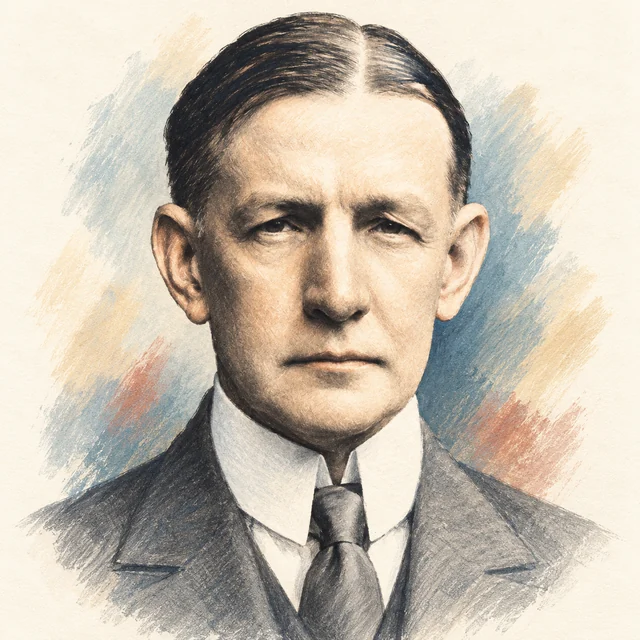
Dawes was born in Marietta, Ohio, studied at Marietta College and trained in law at the University of Cincinnati. Business interests in Nebraska and the Midwest led him into utilities and banking, alongside Republican politics and public service. During the First World War he organised military supplies in Europe. His financial experience became central to an international effort to address the reparations crisis after the war. The Reparation Commission formed an expert committee in late 1923, with Dawes as chairman. Its April 1924 proposal reorganised Germany’s annual payments, linked stabilisation to foreign lending and helped prepare the withdrawal of French and Belgian forces from the Ruhr. It did not cancel all reparations or fix the total debt once and for all. Dawes served as U.S. vice-president from 1925 to 1929 and received half the 1925 Peace Prize, presented in 1926. Later he was ambassador to Britain and returned to financial public service during the Depression. He died in Evanston in 1951. The plan’s temporary success should be distinguished from a lasting settlement of European security.
The contribution
Dawes received half the Peace Prize for the Dawes Plan, which sought to ease the German reparations crisis through revised annual payments, financial stabilisation and international lending.
The idea in plain language
After the First World War, reparations and insecurity reinforced distrust between Germany and the Allies. An expert committee chaired by Dawes proposed a plan in April 1924 that adjusted annual German payments, supported financial stabilisation and relied on foreign lending. It helped make withdrawal from the Ruhr possible, without cancelling every claim or finally settling the total amount owed.
Read the full award story ↗