A life in context
The person behind the prize
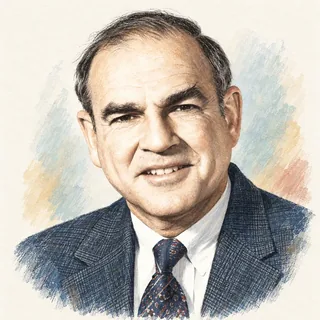
Gajdusek studied at Rochester and Harvard Medical School, then trained in paediatrics and infectious-disease research. Laboratory and field experience took him through several countries before he began investigating kuru in Papua New Guinea with Vincent Zigas in 1957. Fore participants, local knowledge and other researchers were essential to understanding the disease. At NIH, work with Clarence Gibbs, Michael Alpers and others demonstrated transmission to chimpanzees after long incubation periods; results were published in 1966. This overturned the assumption that a long-delayed degenerative illness could not be infectious. The agent was not identified as an ordinary virus: the later prion explanation belongs to subsequent research, recognised in 1997. That year Gajdusek also pleaded guilty to sexually abusing a minor and was imprisoned, a serious part of his later biography documented by NIH and a National Academy memoir.
The contribution
Gajdusek received half the Medicine Prize for work establishing unusual transmission mechanisms in neurological disease. His kuru studies were a collective undertaking and preceded the identification of prions as misfolded protein agents.
The idea in plain language
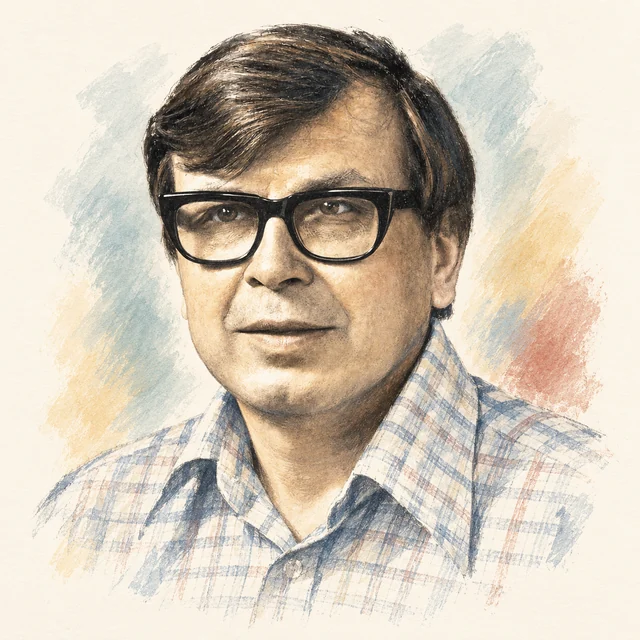
Blumberg’s search for differences in blood proteins led to the Australia antigen, later identified as hepatitis B surface antigen, or HBsAg. Connecting that marker with infection made it possible to screen donated blood and supported vaccine development. The surface antigen is a viral protein, not a complete virus: suitable preparations of this protein can be used to stimulate immunity without injecting infectious hepatitis B virus. The first US plasma-derived vaccine was licensed in 1981, after the award, and recombinant vaccines followed. Hepatitis B transmission involves infected blood or certain body fluids, including transmission at birth; ordinary shared food or casual social contact is not the mechanism.
Read the full award story ↗