A life in context
The person behind the prize
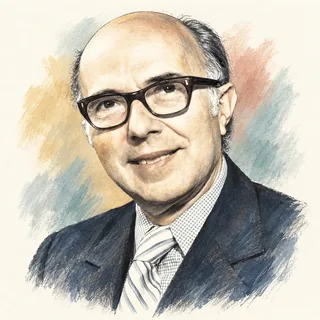
A summer at the Jackson Laboratory introduced Baltimore to biological research while still at school. At Swarthmore he changed from biology to chemistry so that he could write a research thesis. Further summer work at Cold Spring Harbor encouraged molecular biology. He began graduate study at MIT, moved to Rockefeller to study animal viruses and completed his doctorate in 1964. Work with Richard Franklin, James Darnell and Jerard Hurwitz developed his interest in virus-specific enzymes. After a period at the Salk Institute alongside Dulbecco, he returned to MIT in 1968. In 1970 he independently identified RNA-directed DNA synthesis in RNA tumour viruses. Later immunology research and institution building were further parts of his career; the Nobel award concerned the viral discoveries.
The contribution
Baltimore independently discovered reverse transcriptase, showing that viral RNA can serve as a template for DNA synthesis. He received one third of the Medicine Prize alongside Dulbecco and Temin.
The idea in plain language
Dulbecco and collaborators used cell cultures to study animal viruses quantitatively and investigated DNA tumour viruses such as polyoma virus and SV40. Work on transformed cells showed that viral genetic material could remain associated with the host-cell genome. This helped explain how a temporary infection could have lasting effects on cell behaviour. The finding concerned particular experimental virus–cell systems, not a claim that every cancer has a viral cause.
Read the full award story ↗