A life in context
The person behind the prize
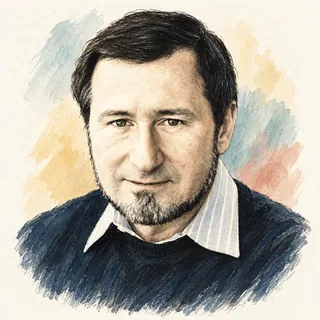
Lee grew up near New York City, with interests in wildlife, railways and experimental science. Research on liquid helium drew him toward low-temperature physics. After doctoral work at Yale, he joined Cornell in 1959 and built a laboratory where researchers could study matter close to absolute zero. The equipment and expertise developed there made it possible to investigate the unusual quantum behaviour of helium-3.
The contribution
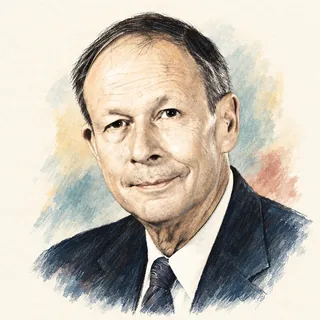
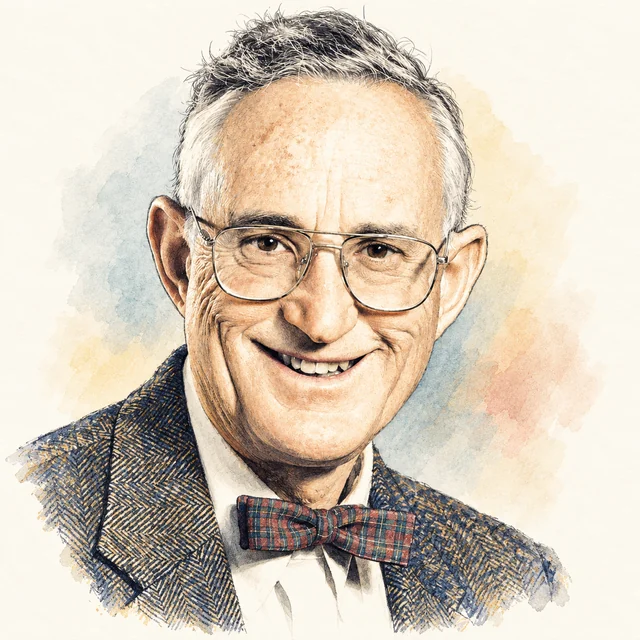
Lee was a senior member of the Cornell team that discovered new phases of liquid helium-3 in 1972. With Richardson and graduate student Osheroff, he helped investigate subtle experimental changes and revise their initial interpretation. The work established a new quantum liquid whose superfluid behaviour depends on pairing between fermionic atoms, opening a richer field of study than the already known helium-4 superfluid.
The idea in plain language
Helium-4 was already known to become superfluid, but helium-3 presented a harder problem. Its atoms are fermions, governed by different quantum statistics from helium-4. Theory suggested that pairing could allow a collective superfluid state, yet reaching and identifying that state required exceptionally low temperatures and sensitive measurements.
Read the full award story ↗