A life in context
The person behind the prize
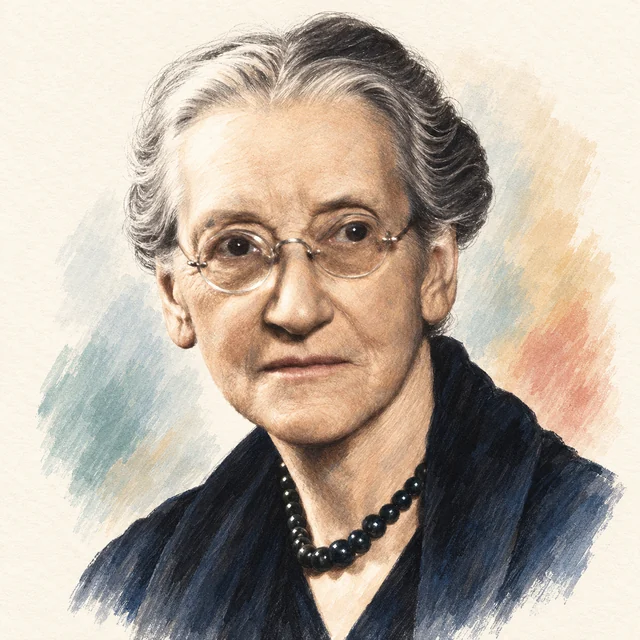
Balch graduated from Bryn Mawr in 1889 and continued studies in economics and sociology in Paris, Berlin and the United States. She joined Wellesley in 1896 and became professor of economics and sociology in 1913. Field investigation informed her work on labour, immigration and social reform. During the First World War she took part in the 1915 women’s congress at The Hague and subsequent mediation efforts. Wellesley ended her appointment in 1918 amid opposition to her pacifist and radical views. In 1919 she became secretary of the Women’s International League for Peace and Freedom in Geneva, serving until 1922 and returning to unpaid secretarial work during financial difficulties from 1934. She investigated conditions in US-occupied Haiti in 1926 and helped produce the 1927 report Occupied Haiti. Opposition to Nazism led her away from absolute pacifism during the Second World War. She received half of the 1946 Peace Prize and donated her share to WILPF. Ill health prevented attendance; a US Embassy representative accepted for her.
The contribution
Balch connected social investigation, international women’s organisation and persistent peace advocacy. She received half of the Peace Prize as an individual; WILPF was the setting for much of her work rather than an additional laureate.
The idea in plain language
Peace work depends on more than agreement at a negotiating table. Emily Greene Balch linked social investigation with international women’s organising, mediation proposals, refugee support and advocacy for cooperation. Her research on migration and her investigation of conditions in Haiti exemplified an effort to ground proposals in observed circumstances.
Read the full award story ↗