A life in context
The person behind the prize
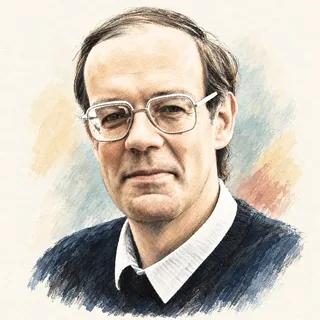
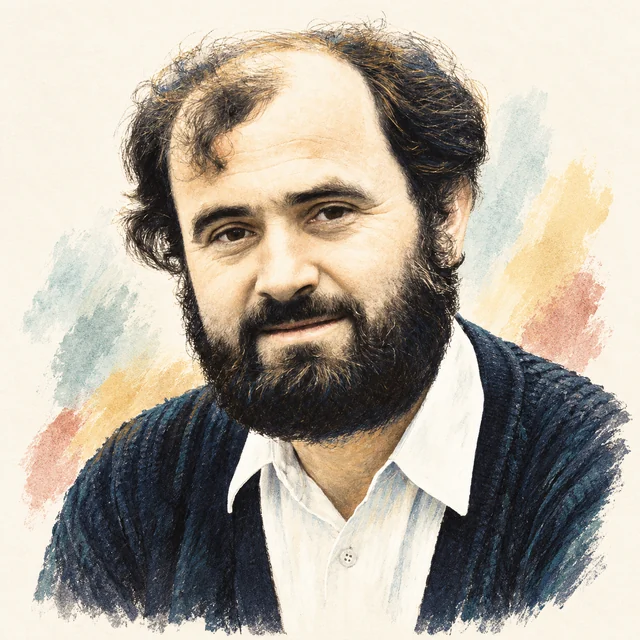
Neher grew up near Buchloe with interests in living things and physics. He studied physics in Munich and biophysics in Wisconsin, then investigated membrane currents with Hans Dieter Lux. He met Sakmann in Munich and joined him again in Göttingen. Their shared work on recording extremely small currents led to patch clamp; Neher later also studied how cells release substances, combining electrical measurements with questions about secretion.
The contribution
Neher and Sakmann developed recordings of currents through individual ion channels, reporting early single-channel recordings in 1976. A glass pipette and a high-resistance membrane seal reduce leakage so that tiny changes in current become measurable. Neher’s physical and instrumental expertise was central to the collaboration and later refinements with colleagues. A record measures ion flow through a channel, not an image of its shape. Each laureate received half the prize.
The idea in plain language
Cell membranes separate solutions containing charged ions. Protein channels provide selective paths across the membrane, opening and closing as cells signal. Currents measured across many channels can hide the behaviour of each one. Neher and Sakmann brought a fine glass pipette against a small membrane patch to measure the current associated with individual channels.
Read the full award story ↗