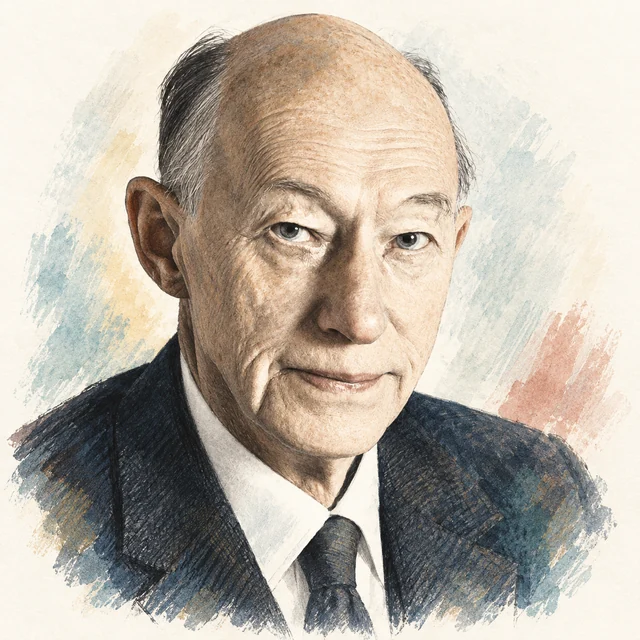
A life in context
The person behind the prize
Johnson grew up in northern Sweden and left school early. Work in timber yards, sawmills, cinemas and workshops supplied experience that later entered his fiction. He travelled to Germany and France in the 1920s, supporting himself through manual work and writing for Swedish newspapers. His first short-story collection appeared in 1924. The four Olof novels, published between 1934 and 1937, transformed memories of working-class youth into a larger literary account. During the Second World War, the Krilon trilogy challenged coercion and the erosion of freedom. Later historical novels, including The Days of His Grace, brought different periods into conversation with the present. He became a member of the Swedish Academy, but left its Nobel Committee in 1972. The shared award recognised his own narrative art, distinct from Martinson’s poetry and prose.
The contribution
Johnson’s novels range across places and historical periods to examine moral choice, oppression and freedom. He received half the Literature Prize.
The idea in plain language
Johnson transformed memories of working-class youth into fiction, then widened his perspective across Europe and historical periods. The Olof novels drew on a young worker’s experience; the wartime Krilon trilogy challenged coercion through allegory. Historical novels such as The Days of His Grace examined power and moral choice in settings distant from the present, while making their dilemmas recognisable. Historical distance became a way to question the reader’s own time.
Read the full award story ↗