A life in context
The person behind the prize
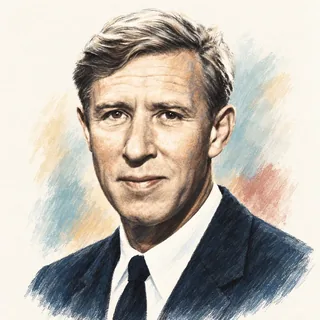
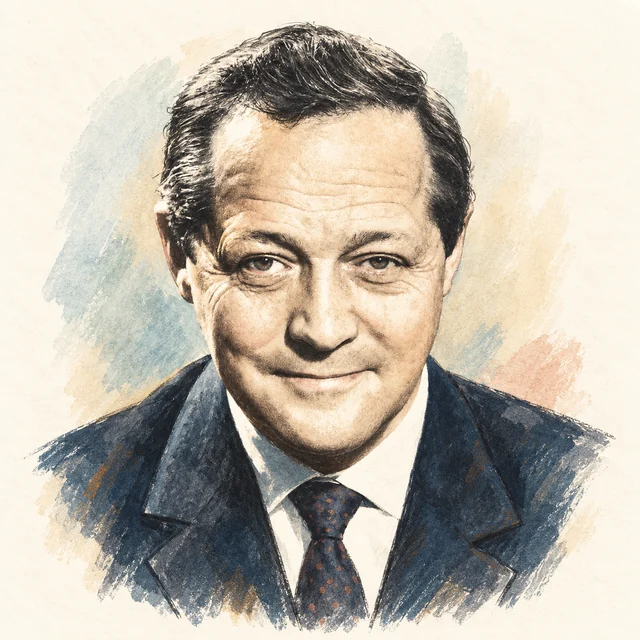
Lynen entered Munich University’s chemistry department in 1930. Heinrich Wieland’s teaching led him toward biochemistry, and he completed his doctorate in March 1937. Remaining in Munich, he became lecturer in 1942, assistant professor in 1947 and professor of biochemistry in 1953. In 1954 he also became head of the newly created Max Planck Institute for Cell Chemistry, his 1964 award affiliation. His research clarified chemical details of metabolism, including activated acetate and intermediates involved in lipid formation and breakdown. Investigations of enzyme reactions and metabolic regulation helped explain how cells manage these processes. The work involved collaborators and complemented Bloch’s tracing of cholesterol biosynthesis. His presidency of the German Chemical Society in 1972 was later than the prize.
The contribution
Lynen elucidated activated intermediates, enzyme mechanisms and regulation in lipid metabolism. He received one half of the Medicine Prize.
The idea in plain language
Cholesterol and fatty acids are important cellular substances. Understanding them requires more than knowing their final structures: researchers needed to identify precursors, intermediate reactions and mechanisms controlling formation and breakdown.
Read the full award story ↗