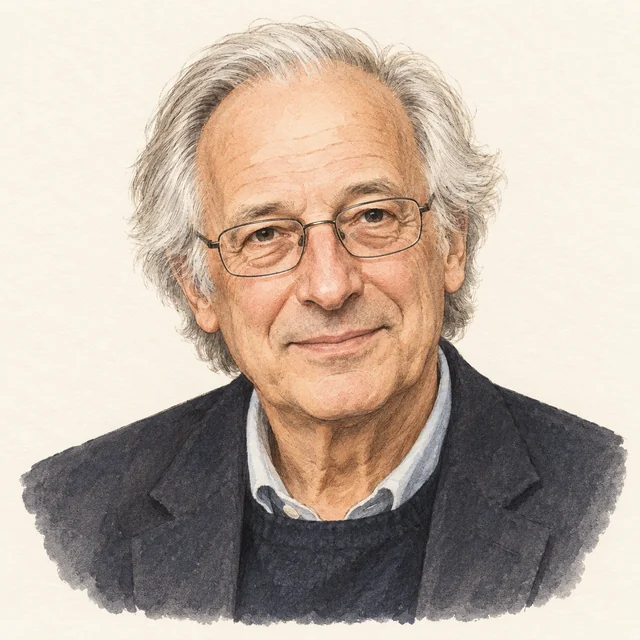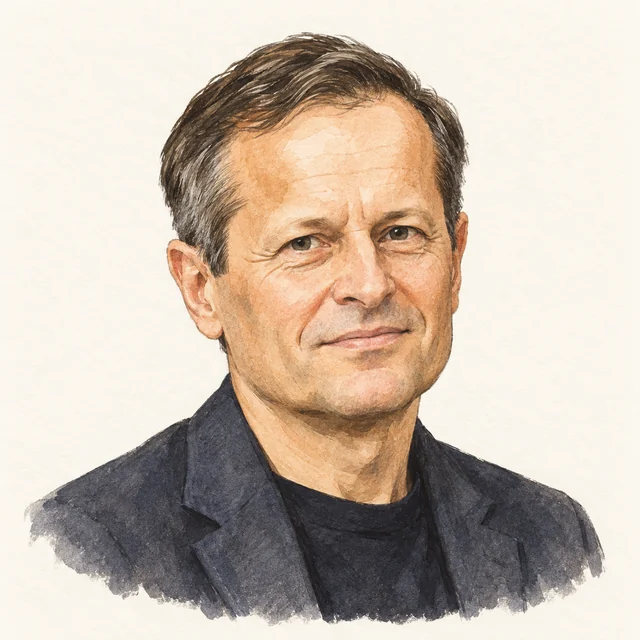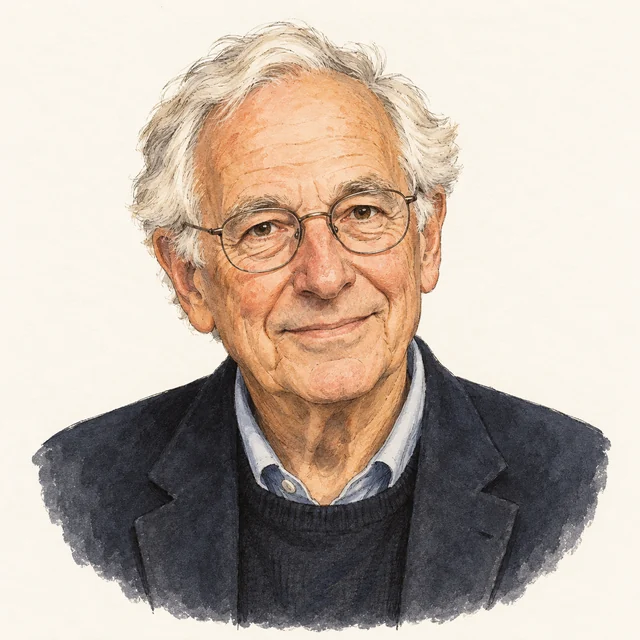
A life in context
The person behind the prize
Halzen earned his doctorate at KU Leuven in 1969. At Wisconsin–Madison, he helped turn an ambitious proposal into an international observatory: using Antarctic ice as a vast particle detector.
The contribution
His scientific leadership helped establish IceCube and the detection of high-energy neutrinos arriving from beyond our solar system.
The idea in plain language
Neutrinos are particles that usually pass through matter unnoticed. Rare interactions in Antarctic ice produce secondary particles whose light can be recorded by buried sensors.
Read the full award story ↗