A life in context
The person behind the prize
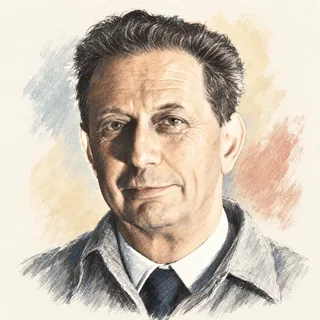
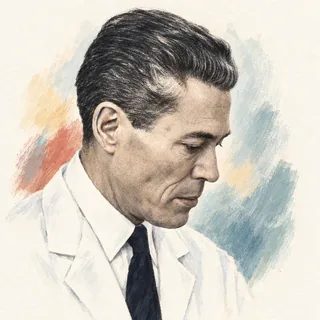
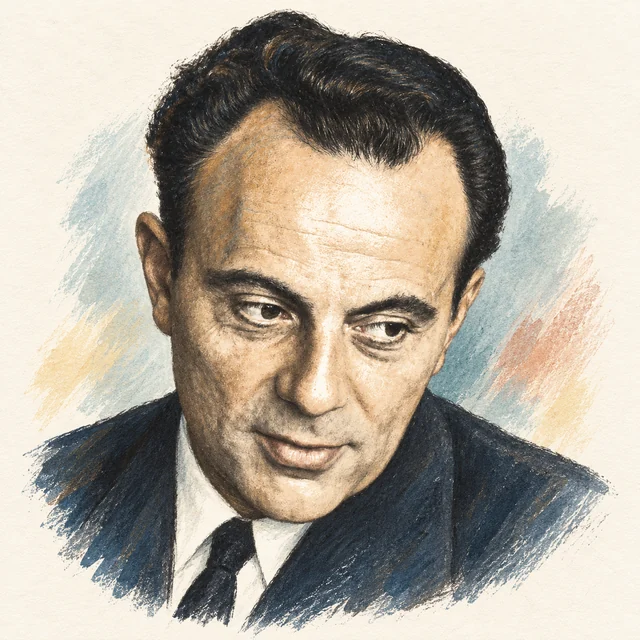
Jacob began medical studies in Paris before the war interrupted them. He joined the Free French Forces in 1940, serving as a medical officer and sustaining serious injuries. He completed his medical doctorate in 1947, but the injuries prevented a surgical career. Turning to biology, he joined Lwoff at the Institut Pasteur in 1950 and received a science doctorate in 1954. With Elie Wollman he investigated bacterial genetics, conjugation and relationships between prophages and bacterial genetic material. Collaboration with Monod from 1958 connected enzyme induction with regulation of genetic activity. They developed ideas involving messenger RNA, regulatory genes and operons. Jacob became head of Cell Genetics at Pasteur in 1960 and professor at the Collège de France in 1964. Pasteur was his award affiliation; mammalian-cell research and books dated 1970 or later were subsequent work.
The contribution
Jacob investigated bacterial genetics and, with Monod, mechanisms controlling gene expression. He received one third of the Medicine Prize.
The idea in plain language
A cell carries genetic information, yet its production of enzymes changes with conditions. Some bacteria also carry phage information without continuously releasing viruses. The problem was to understand how genetic activity could be regulated.
Read the full award story ↗