A life in context
The person behind the prize
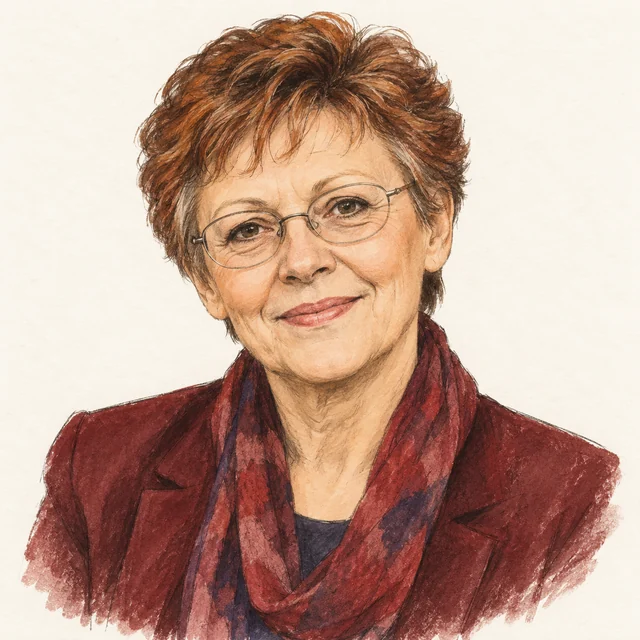
Barré-Sinoussi grew up in Paris with a strong interest in the natural world. She began research at the Institut Pasteur and received her doctorate in 1975. Experience with retroviruses prepared her for the investigation of a newly recognised immune-deficiency syndrome. Her career also involved collaboration with researchers and communities in countries heavily affected by HIV.
The contribution
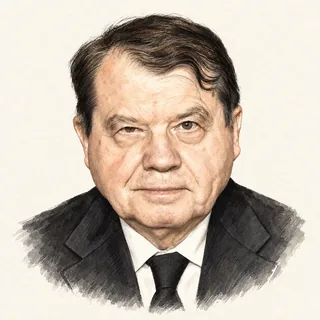
In 1983, working with Montagnier and other colleagues, she helped isolate and characterise the retrovirus later named HIV from a patient’s lymph-node cells. Detecting reverse-transcriptase activity, observing viral particles and testing infection of immune cells built a body of evidence about the new virus. The discovery enabled further work on diagnosis, blood safety and treatment; HIV is the virus, while AIDS is the advanced syndrome it can cause.
The idea in plain language
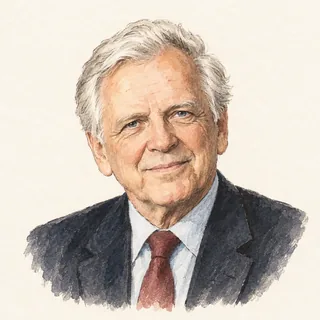
Zur Hausen investigated whether particular human papillomaviruses could cause cervical cancer. His group searched tumour tissue for viral DNA and identified important high-risk types. The work helped explain how persistent infection can disrupt the controls on cell growth. This was a specific causal connection, not a claim that every virus or every HPV infection causes cancer.
Read the full award story ↗