c.curionodeThe Nobel Archive

2008 · Physiology or Medicine

Finding viruses behind two different diseases

The prize linked high-risk HPV to cervical cancer and recognised the discovery of HIV.

HPVHIVviral causes of disease
2008Physiology or Medicine

Visual guide

The prize, pictured

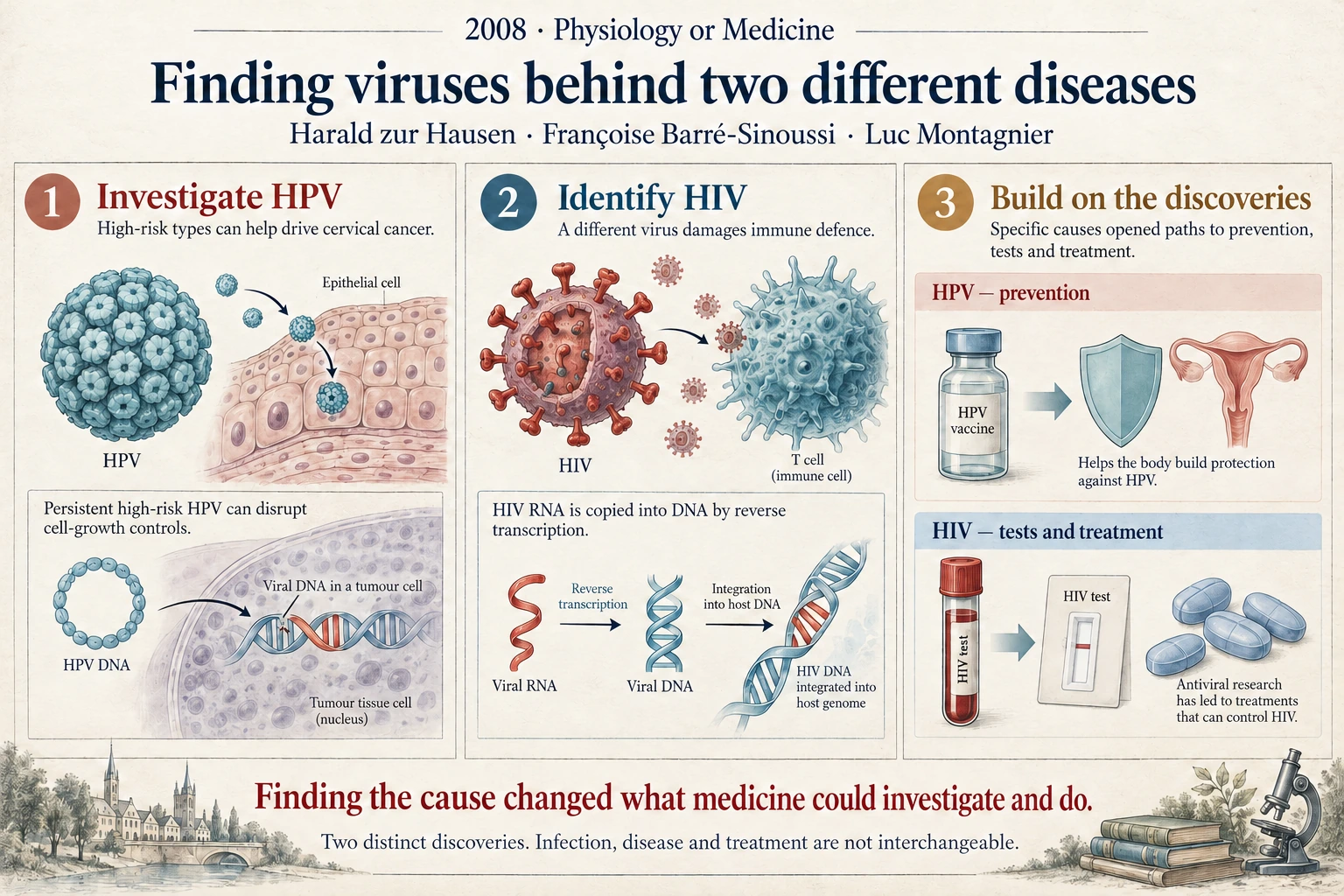
Infographic explaining Finding viruses behind two different diseases
Original AI-generated infographic. A conceptual overview; the explanations and sources below provide context.
Read the poster text

Finding the cause changed what medicine could investigate and do.

  1. Investigate HPV

    High-risk types can help drive cervical cancer.

  2. Identify HIV

    A different virus damages immune defence.

  3. Build on the discoveries

    Specific causes opened paths to prevention, tests and treatment.

Two distinct discoveries. Infection, disease and treatment are not interchangeable.

01 · The discovery

The idea, in everyday language

Zur Hausen investigated whether particular human papillomaviruses could cause cervical cancer. His group searched tumour tissue for viral DNA and identified important high-risk types. The work helped explain how persistent infection can disrupt the controls on cell growth. This was a specific causal connection, not a claim that every virus or every HPV infection causes cancer.

Barré-Sinoussi and Montagnier pursued a separate problem: the virus behind AIDS. In 1983 their team isolated and characterised a retrovirus from lymph-node cells. Subsequent evidence from several groups established HIV as the cause of the syndrome. Understanding its replication and effects on immune cells opened routes to diagnostic tests, blood-product screening and antiretroviral treatment.

Why it matters

The HPV discoveries helped make prevention through vaccination possible and improved understanding of virus-driven cancer. Identifying HIV enabled specific testing and extensive work on treatments that target its life cycle. These advances depended on many later scientists, clinicians, trial participants and public-health teams in addition to the laureates.
02 · The people

Who brought the idea to life?

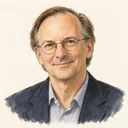
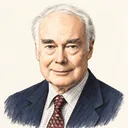
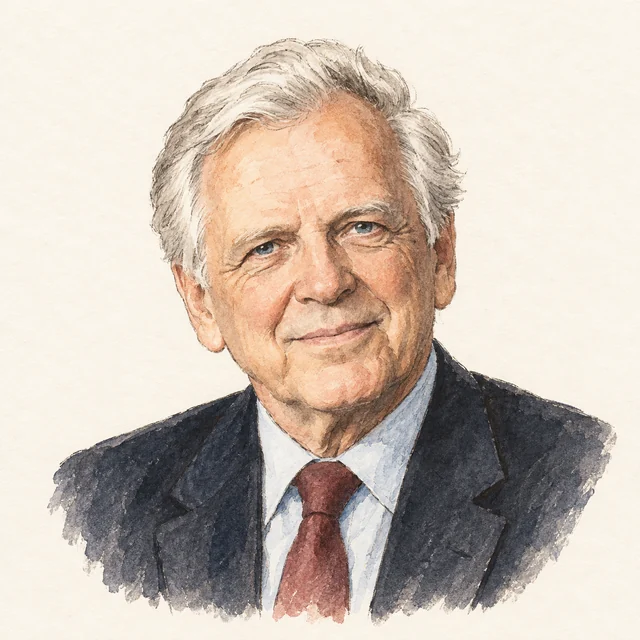
Illustrated portrait of Harald zur Hausen

Harald zur Hausen

Prize share · 1/2

His group identified HPV16 in 1983 and HPV18 in 1984 in cervical cancers, helping establish the role of high-risk HPV types. The research connected viral genes with changes in cell-growth control and opened a route toward preventive vaccines. HPV infection is not the same as cancer: many infections clear, while persistent infection with certain types can drive disease. The prize did not recognise a vaccine that treats an existing tumour.

Read the biography ↗
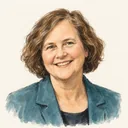
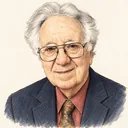
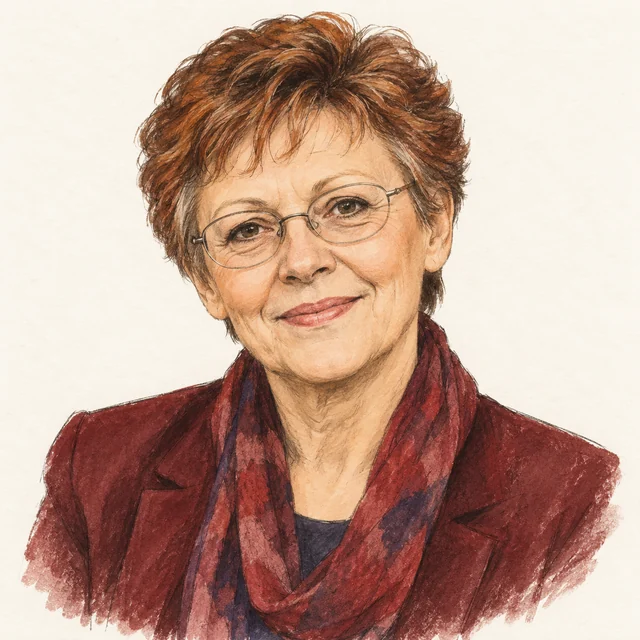
Illustrated portrait of Françoise Barré-Sinoussi

Françoise Barré-Sinoussi

Prize share · 1/4

In 1983, working with Montagnier and other colleagues, she helped isolate and characterise the retrovirus later named HIV from a patient’s lymph-node cells. Detecting reverse-transcriptase activity, observing viral particles and testing infection of immune cells built a body of evidence about the new virus. The discovery enabled further work on diagnosis, blood safety and treatment; HIV is the virus, while AIDS is the advanced syndrome it can cause.

Read the biography ↗
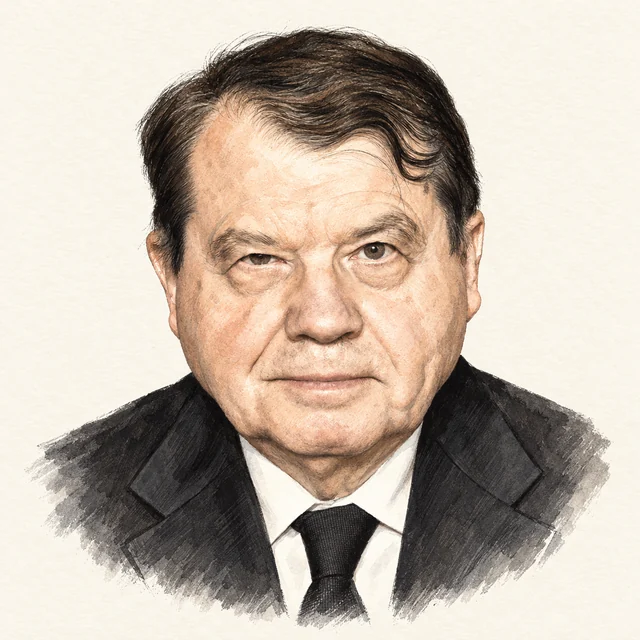
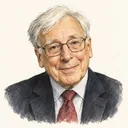
Illustrated portrait of Luc Montagnier

Luc Montagnier

Prize share · 1/4

The group’s 1983 isolation and characterisation of a new retrovirus was a key step in identifying HIV. Subsequent work by several groups established its causal role in AIDS and developed tests and treatments. Montagnier shared one half of the Medicine Prize with Barré-Sinoussi, each receiving one quarter of the whole prize. This recognition concerns the HIV discovery, rather than conferring scientific authority on every other claim a laureate may make.

Read the biography ↗

03 · Years in the making

The path here

  1. 1983

    Zur Hausen’s group identified HPV16 in cervical cancer tissue.

  2. 1983

    The Pasteur team isolated the retrovirus later named HIV.

  3. 1984

    HPV18 was identified, and further research strengthened the evidence linking HIV with AIDS.

04 · Read further

From the original sources

Original explanations by Curionode, based on the official records below. Biographical details and affiliations refer to the award year.

  1. Official announcement nobelprize.org

More in Physiology or Medicine

Browse this subject ↗