A life in context
The person behind the prize
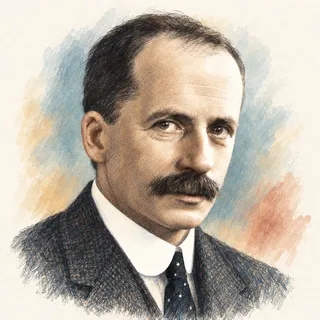
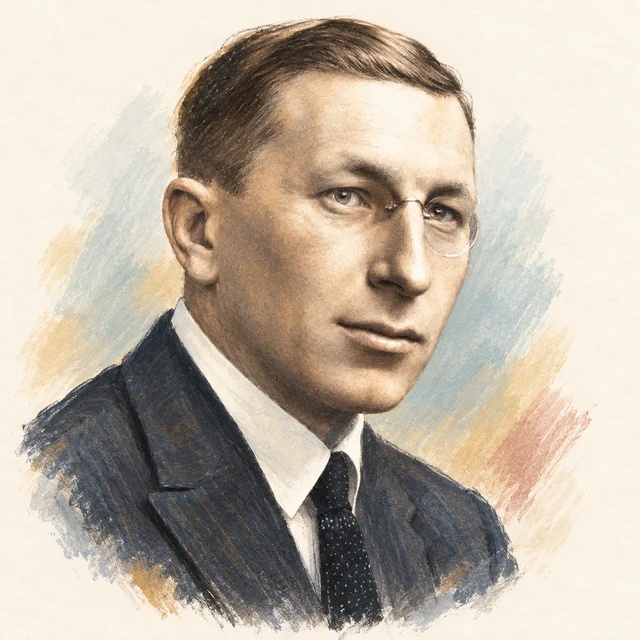
Banting was born in Alliston, Ontario, and studied medicine at the University of Toronto. After his medical degree in 1916, he served in the Canadian Army Medical Corps during the First World War and was wounded in France. Back in Canada, he trained in orthopaedics, practised in London, Ontario, and taught part time. His interest in diabetes led him to propose a way of investigating a pancreatic secretion involved in sugar metabolism. In 1921 he began experiments in John Macleod’s Toronto laboratory with Charles Best. The project developed through laboratory work, physiological testing and improvements to the preparation, with biochemist James Collip joining the team. Improved extracts helped the Toronto clinical team obtain successful results in January 1922. This was a collaborative development built on earlier pancreatic research, rather than a discovery made by two people alone. Banting received a further medical degree in 1922 and held a Toronto medical research chair from 1923. He shared the 1923 Medicine Prize equally with Macleod. Later research included aviation medicine, and he was also an active painter. He died in an aircraft disaster in Newfoundland in 1941.
The contribution
Banting received half the Medicine Prize for the discovery of insulin. He initiated the Toronto experimental project and worked with Best on pancreatic extracts, within a programme developed with Macleod and Collip and carried into clinical use by medical colleagues.
The idea in plain language
Earlier research had connected the pancreas with the control of blood sugar, but obtaining a dependable treatment remained difficult. Banting began experimental work with Best in Macleod’s Toronto laboratory in 1921. Macleod’s physiological expertise and direction helped the project develop, while Collip’s biochemical work improved the preparations.
Read the full award story ↗