01 · The discovery
The idea, in everyday language
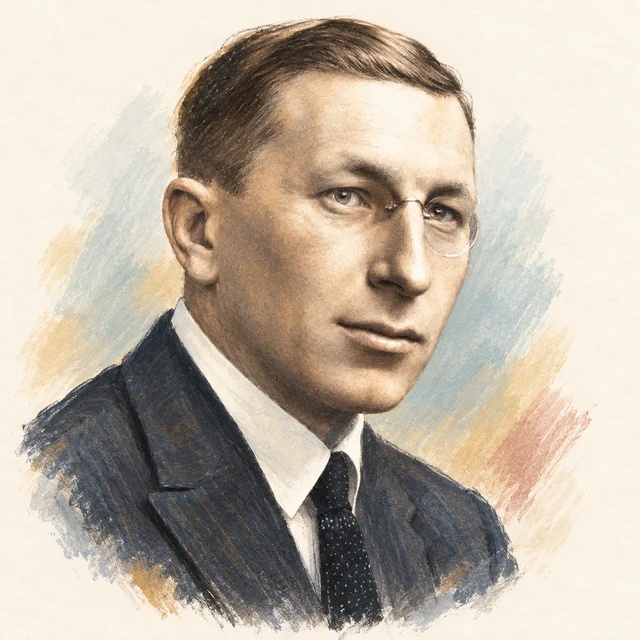
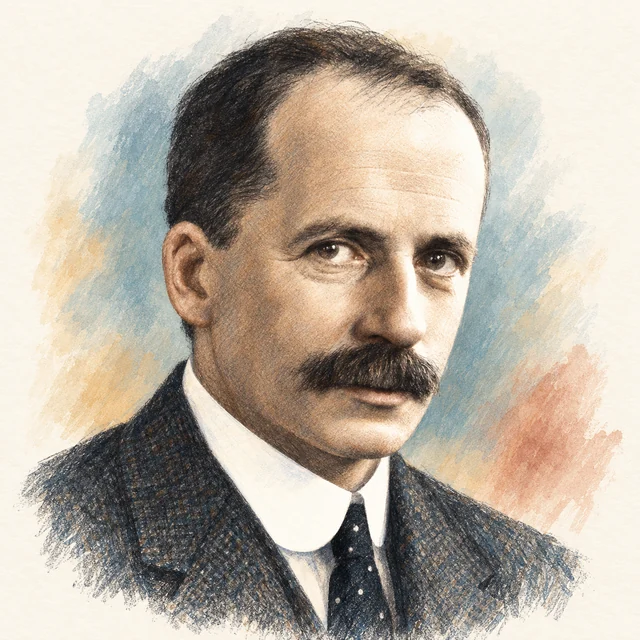
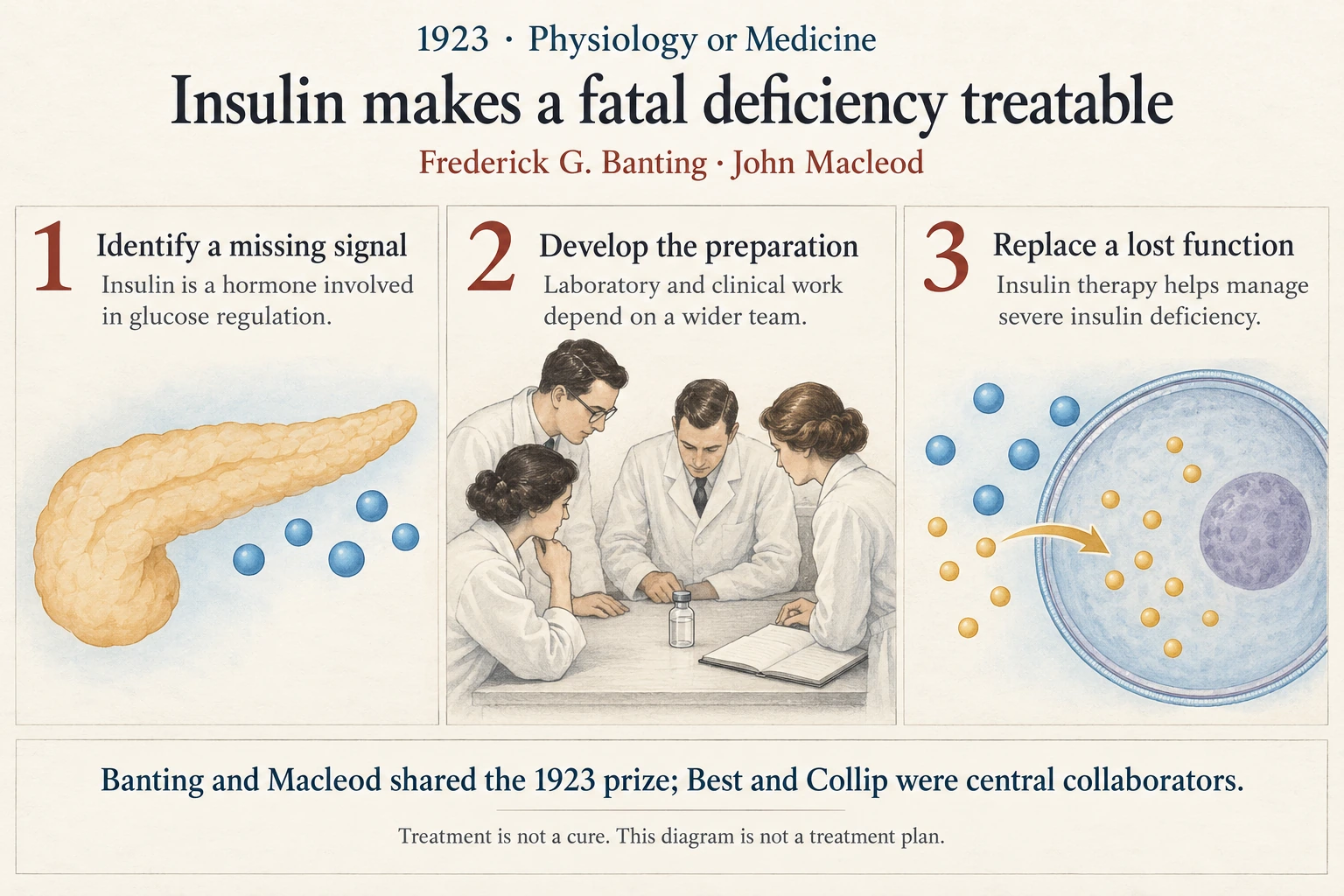
Earlier research had connected the pancreas with the control of blood sugar, but obtaining a dependable treatment remained difficult. Banting began experimental work with Best in Macleod’s Toronto laboratory in 1921. Macleod’s physiological expertise and direction helped the project develop, while Collip’s biochemical work improved the preparations.
Clinical progress depended on that refinement and on work at Toronto General Hospital. Leonard Thompson’s initial January 11, 1922 injection produced limited benefit; an improved preparation made by Collip brought a clear improvement on January 23. The resulting therapy replaced an essential hormonal function. In modern terms, type 1 diabetes involves little or no insulin production, because the immune system destroys insulin-producing cells.
Why it matters
Insulin transformed the prospects of people with severe insulin deficiency. The achievement joined laboratory investigation, biochemical refinement, physiological understanding and clinical work. The two Nobel shares belong to Banting and Macleod, while the history also requires Best, Collip, earlier researchers and medical colleagues.