A life in context
The person behind the prize
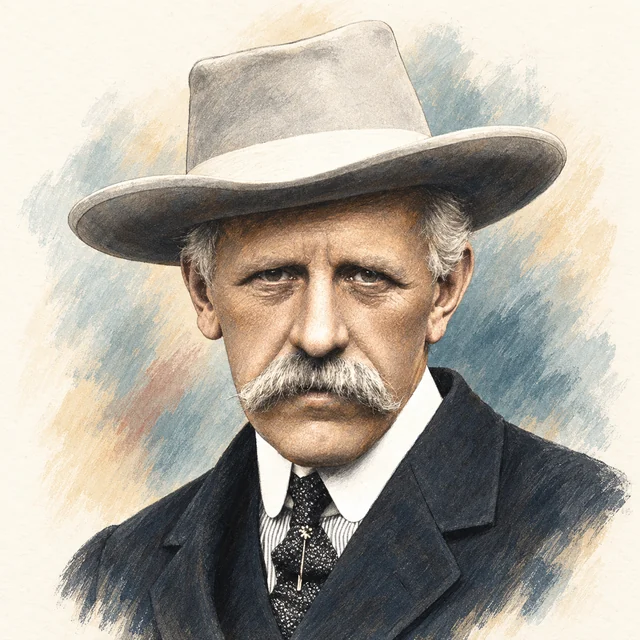
Nansen trained as a zoologist and became internationally known as an explorer. In 1888 he completed his doctorate and led a crossing of Greenland’s ice sheet. The Fram expedition of 1893–1896 combined Arctic exploration with scientific observations; it did not reach the North Pole. He later worked in oceanography and Norwegian diplomacy. After the First World War, he turned his negotiating and organising abilities towards people stranded by conflict. In 1920 the League of Nations entrusted him with the repatriation of prisoners of war. He became its High Commissioner for Refugees in 1921 and also organised relief during the Russian famine. International agreement in 1922 introduced the identity and travel document known as the Nansen passport. The full 1922 Peace Prize recognised repatriation, relief and refugee work, not his polar expeditions. Governments, relief organisations and many individual workers shared in the effort. He later worked on behalf of Armenian refugees and remained High Commissioner until his death in 1930. The Nansen International Office, awarded in 1938, was a separate later organisation.
The contribution
Nansen received the full Peace Prize for leading prisoner repatriation, international relief and refugee work through the League of Nations. He combined negotiation, transport and aid coordination with practical efforts to restore refugees’ ability to travel.
The idea in plain language
War could end while people remained far from home, without food, transport or recognised papers. The League of Nations asked Nansen in 1920 to coordinate the return of prisoners of war. He negotiated with governments and worked with relief organisations to arrange money, supplies and transport across divided Europe and beyond.
Read the full award story ↗

