A life in context
The person behind the prize
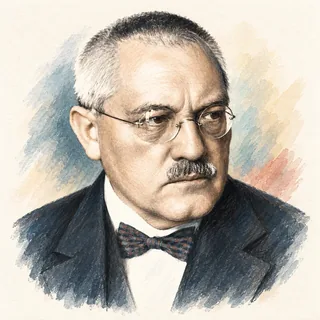
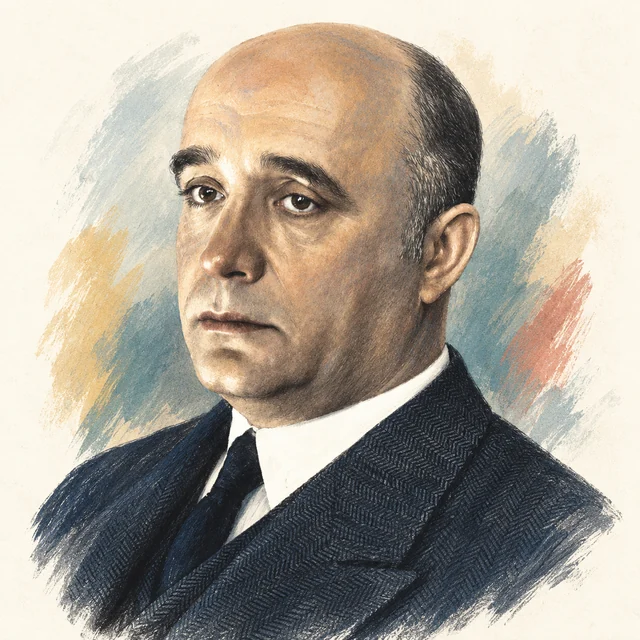
Bergius grew up near Breslau in a family connected with chemical manufacturing. He studied in Breslau and Leipzig, earning his doctorate in Leipzig in 1907, and gained experience with Walther Nernst and Fritz Haber. In his own laboratory he investigated reactions under pressure. Work in 1912–1913 showed how hydrogen could convert coal’s complex organic material into liquid products. Developing an industrial process required years of further work, financial backing and collaboration. Later large-scale development included the work of Matthias Pier and industrial teams. Bergius’s coal hydrogenation and Bosch’s ammonia synthesis were distinct applications of high-pressure chemistry, rather than one shared invention. They received equal shares of the 1931 Chemistry Prize. Bergius also investigated converting cellulose into sugars, a separate project. After the Second World War he worked in Argentina, where he died in 1949.
The contribution
Bergius received half the Chemistry Prize for developing high-pressure chemical methods, especially the direct hydrogenation of coal into liquid products. Industrial development extended beyond his original laboratory work.
The idea in plain language
A reaction demonstrated in a laboratory may fail as an industrial process. Hot gases, vessel materials, impurities, catalysts and heat flows must be controlled together. Bosch’s team turned Haber’s ammonia synthesis into reliable production, with Oppau starting in 1913. Nitrogen and hydrogen combine to make ammonia. Pressure favors the ammonia side of this equilibrium, but pressure alone does not supply a complete process or make every reaction go faster.
Read the full award story ↗