A life in context
The person behind the prize
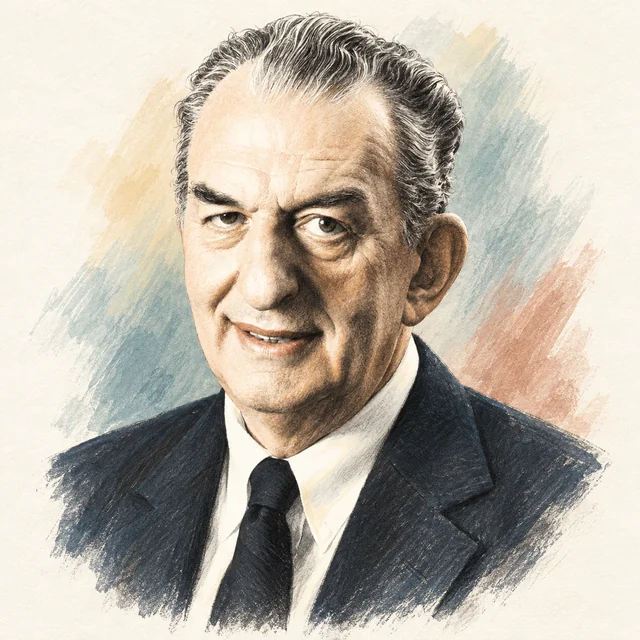
Olah grew up in Budapest with a broad education and strong interests in literature and history before choosing chemistry. After research in Hungary, he and his family left following the suppressed 1956 uprising. Work in Canada and Cleveland preceded his move to Southern California in 1977. His experimental approach sought to turn fleeting reaction intermediates into chemical species that could be examined directly.
The contribution
Olah and collaborators used very strong acids, suitable weakly nucleophilic media and low temperatures to produce carbocations with lifetimes and concentrations sufficient for spectroscopy. This made it possible to investigate their structure, bonding and reactivity, including nonclassical ions with shared bonding. He did not invent the idea of carbocations; he changed how chemists could observe and test it, and developed related reactions in hydrocarbon chemistry.
The idea in plain language
A chemical reaction can pass through intermediate species that vanish before ordinary instruments can examine them. Carbocations are positively charged carbon-containing species important in many organic reactions. Their existence had been inferred from reaction behaviour, but their short lifetimes made their structure and bonding difficult to test directly.
Read the full award story ↗

