A life in context
The person behind the prize
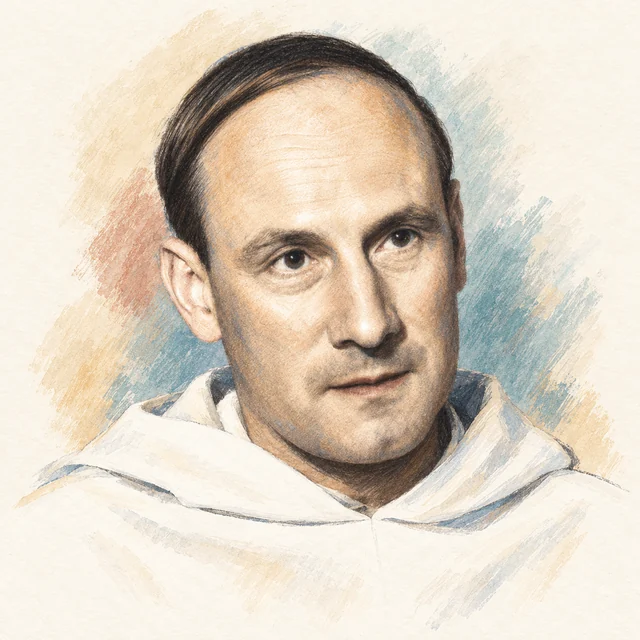
Pire experienced displacement as a child when his family fled Belgium in 1914. He entered the Dominican community at Huy in 1928 and took the name Henri Dominique. Ordination in 1934, a theology doctorate in Rome in 1936 and further social-science study in Louvain preceded teaching and practical relief work. From 1938 he organised aid for families and children; during the war he also served in the resistance and helped people escape. Learning about the refugees still in camps in 1949 led to sustained work with displaced people. Sponsorship created personal connections and material support; homes for older people and European Villages offered more durable places to live. The full 1958 Peace Prize recognised these efforts to restore freedom and dignity. His subsequent University of Peace in 1960 and Islands of Peace development project from 1962 expanded the work after the award. He was the individual recipient, distinct from the relief organisations and communities that made the projects possible.
The contribution
Pire organised personal sponsorship, homes for older refugees and European Villages to help displaced people build lives beyond camps. He received the full Peace Prize.
The idea in plain language
Years after the war, some refugees remained in camps with little prospect of building a new life. Older people and those unable to work faced particular exclusion. Material aid alone could not replace personal connection, security and a place within a community.
Read the full award story ↗

