The organisation
A collective voice
Grameen began as an experimental credit project in Bangladesh in 1976 and became a bank in 1983. This distinction explains the two dates associated with its origins. It developed lending arrangements for people who usually lacked the assets required as collateral by conventional banks, with women making up a large majority of its borrowers by the time of the prize.
The contribution
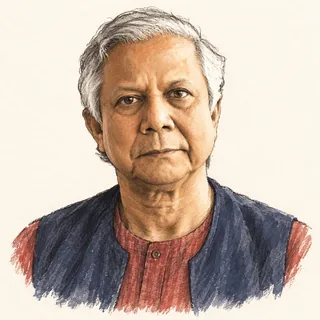
The bank put microcredit into practice on a large scale through local relationships, repeated lending and repayment arrangements. Its organisational role was to make access to small loans an enduring institution rather than an isolated experiment. Grameen Bank shared the 2006 Peace Prize with its founder; the award recognised the institution collectively, not every borrower or employee as a separate Nobel laureate.
The idea in plain language
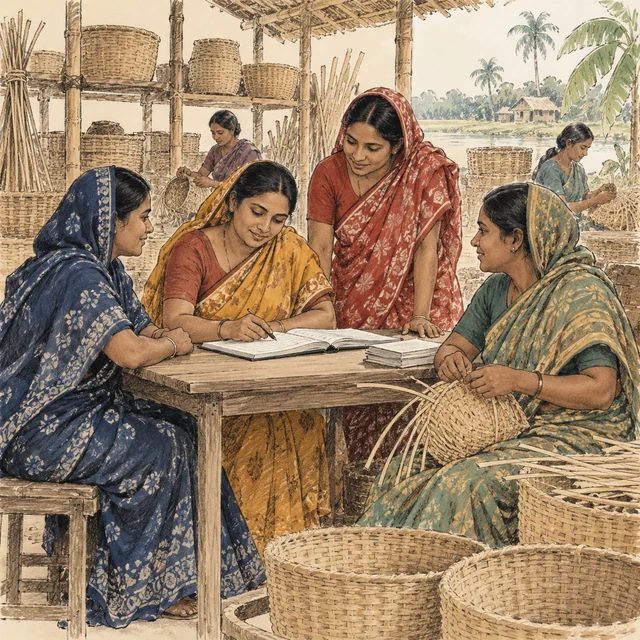
A person may have the skill to make baskets or repair clothing but lack money for materials and tools. A conventional lender may ask for collateral: an asset it can claim if the loan is not repaid. People with few assets can therefore be excluded even when a modest amount of capital would help them work.
Read the full award story ↗